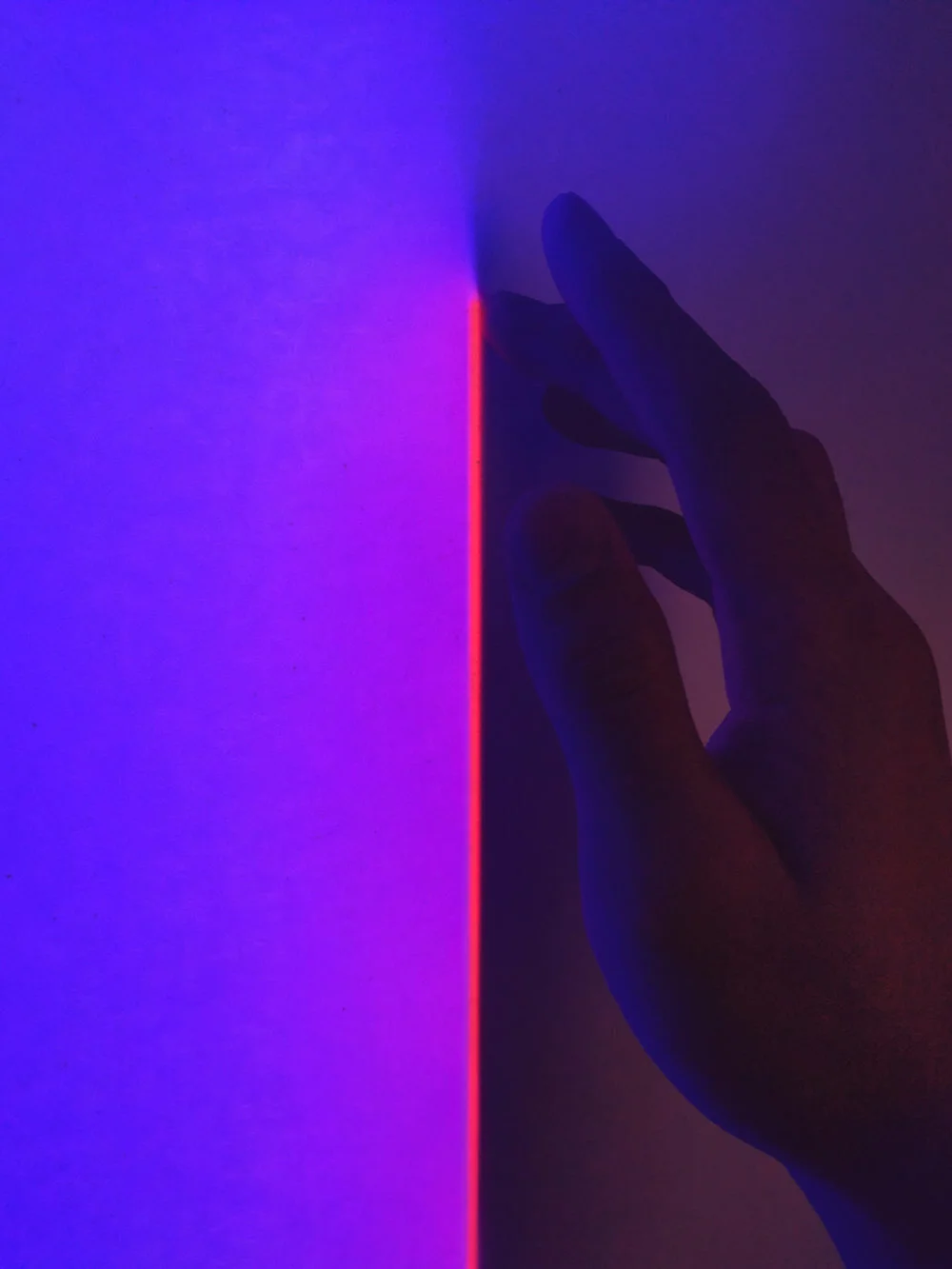
PRESENCE
SCULPTURAL LIGHT PAINTING
Formgiving | Light Effects | Indoor Lighting Design
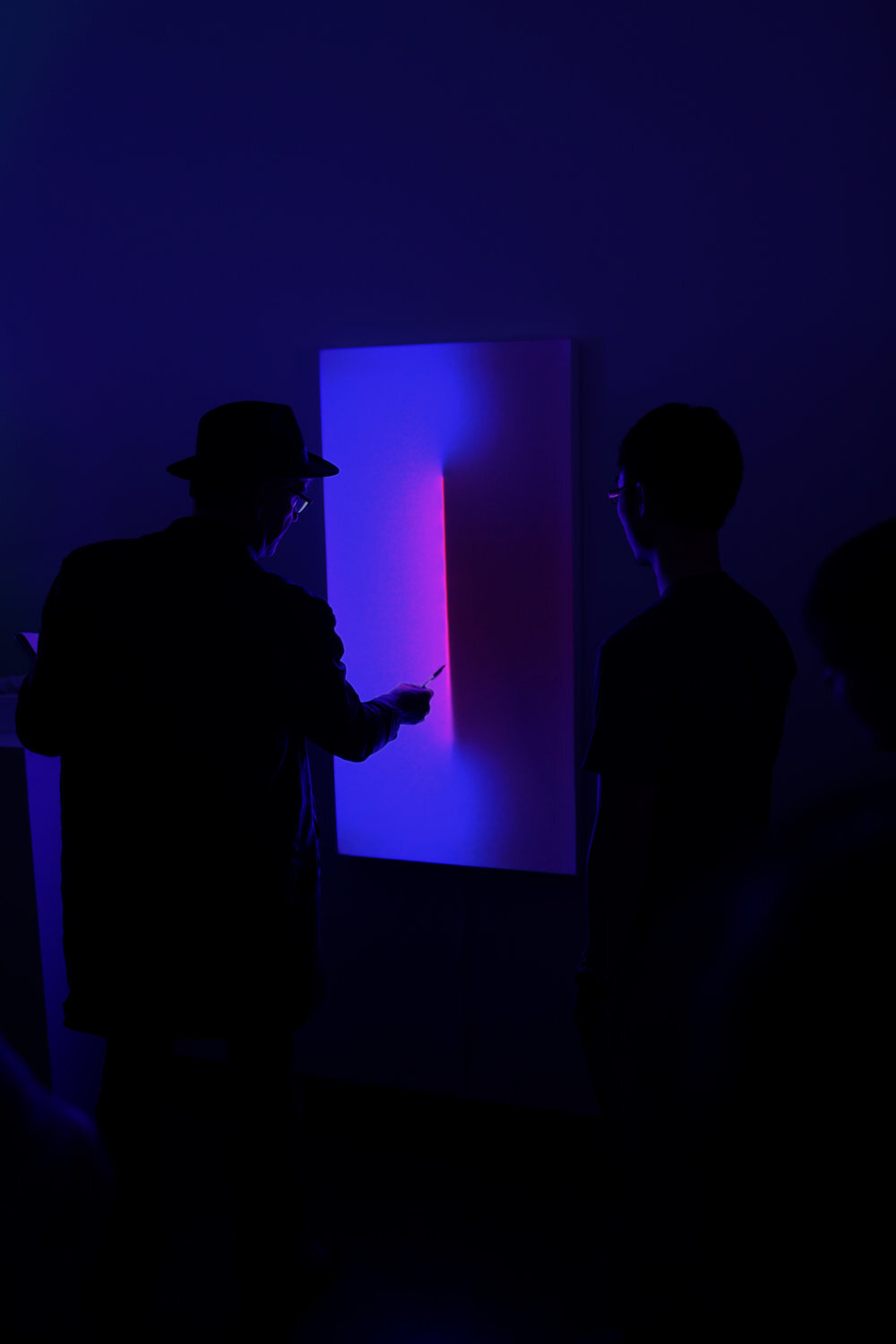
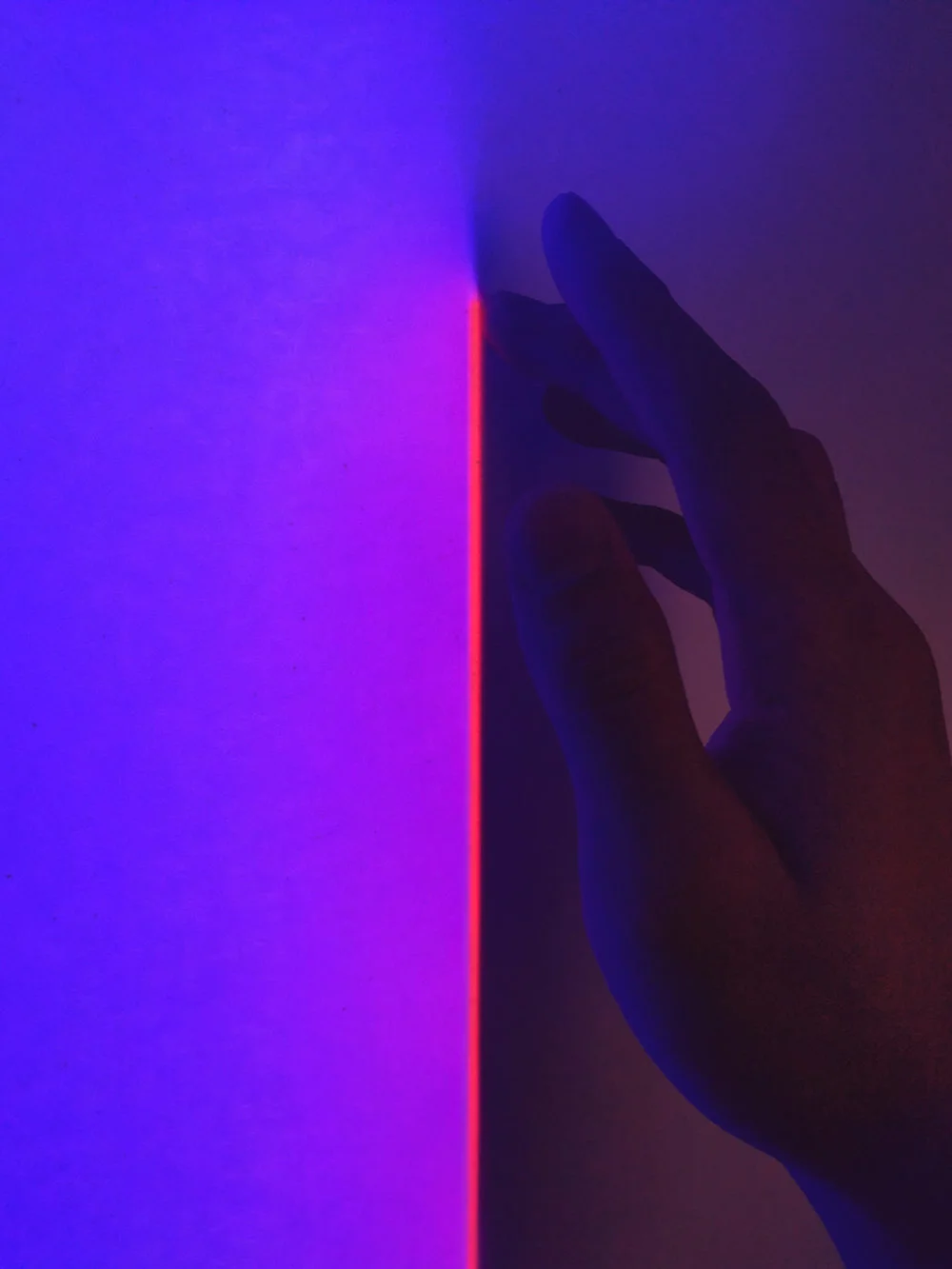
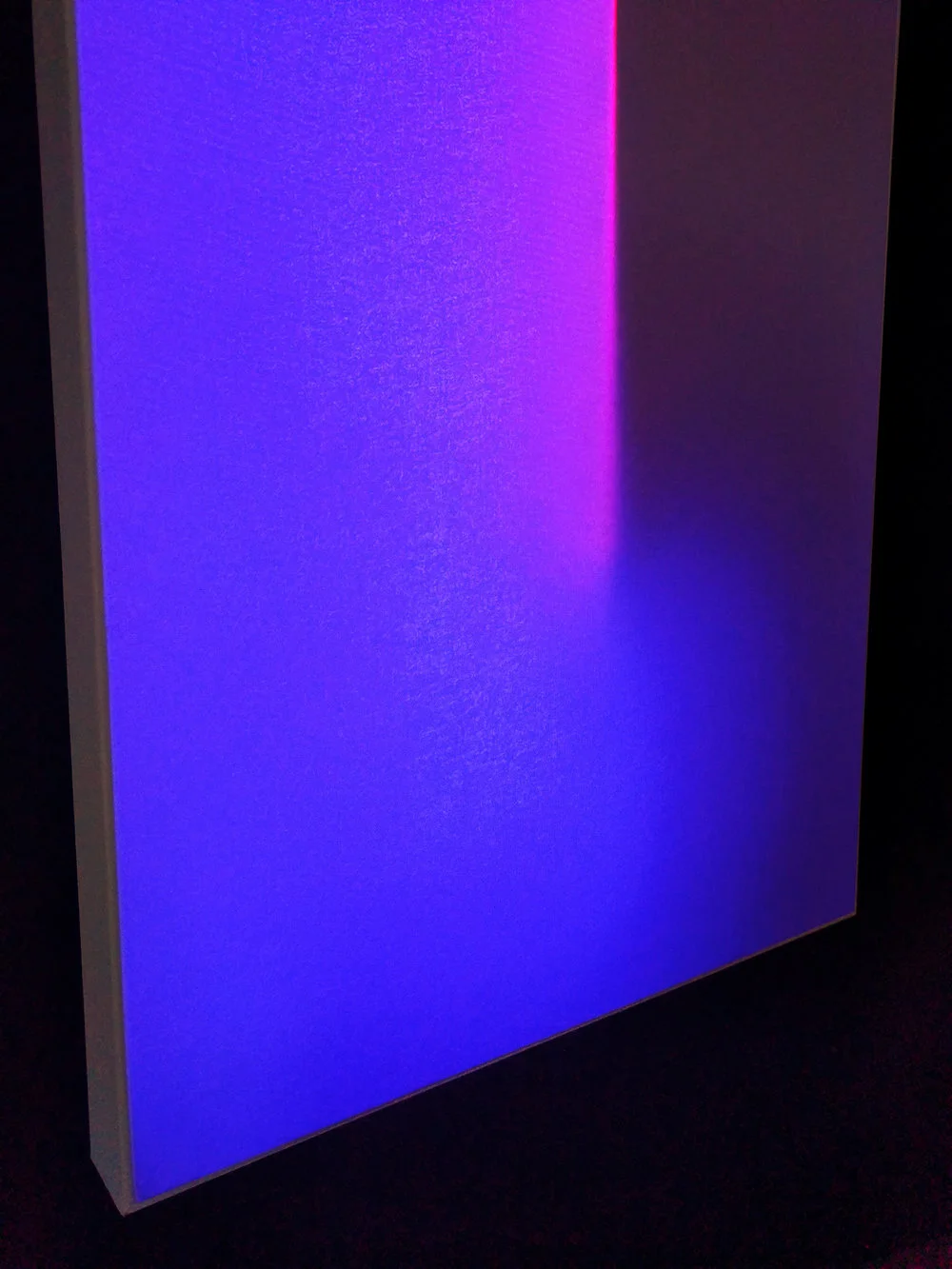
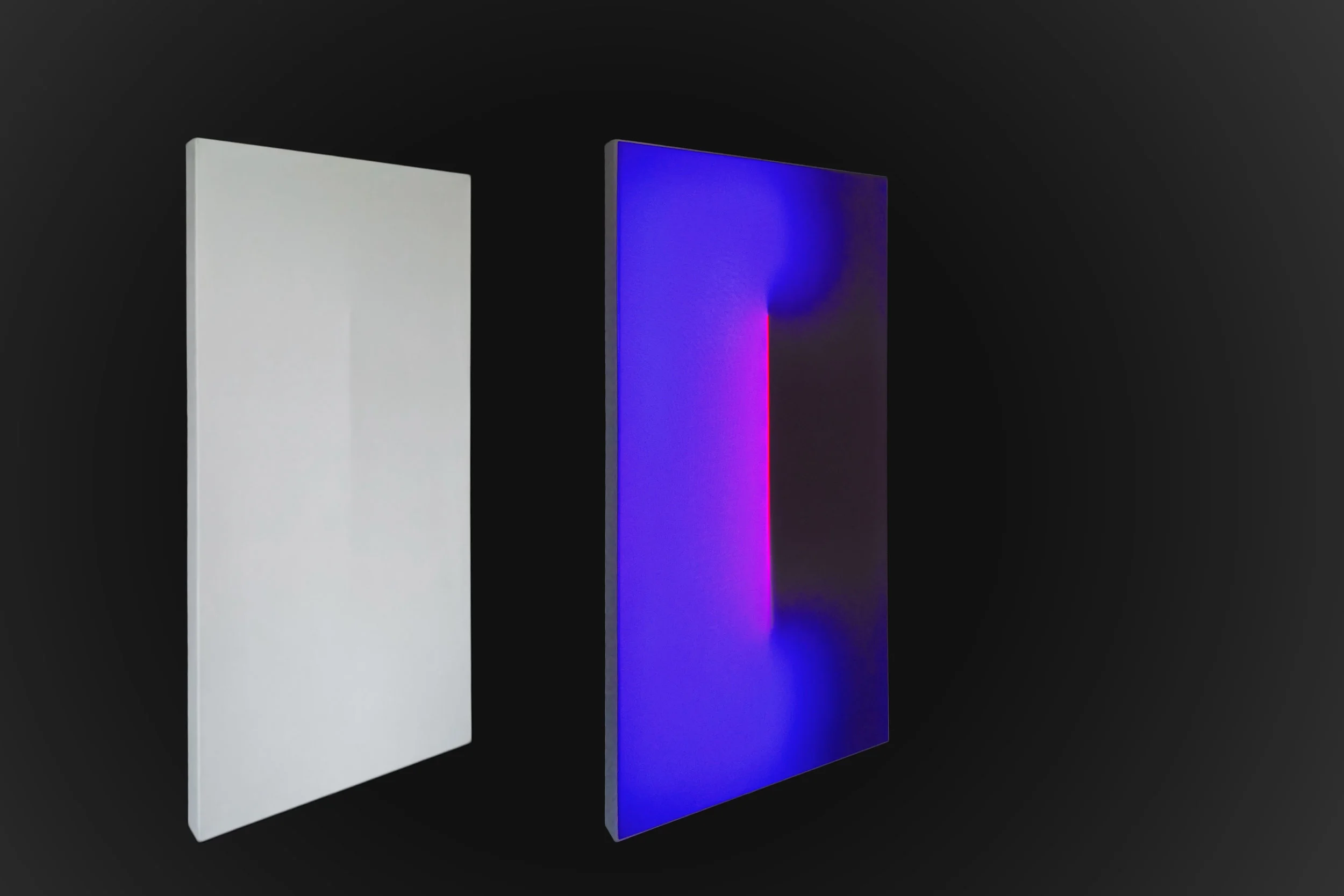
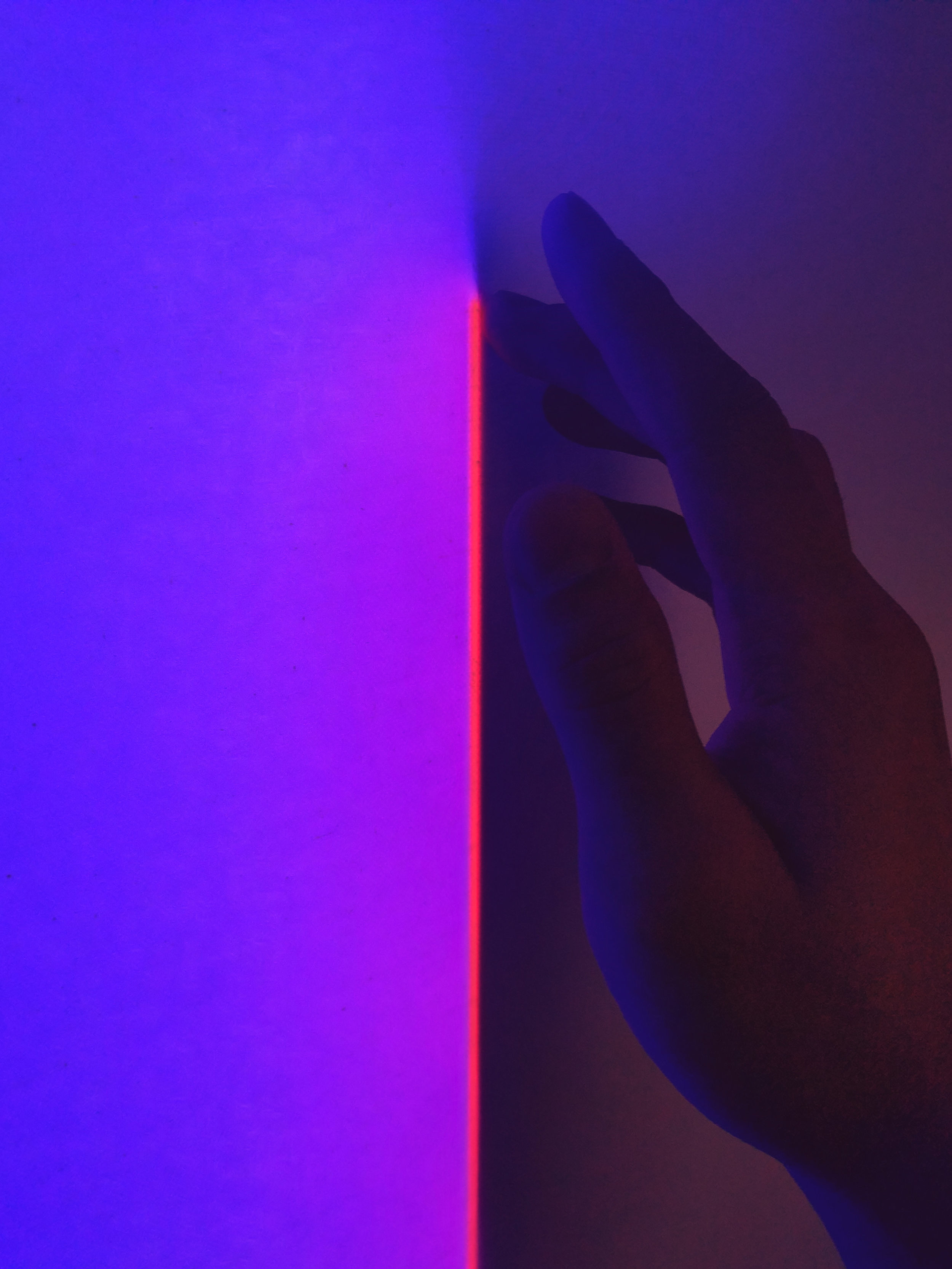
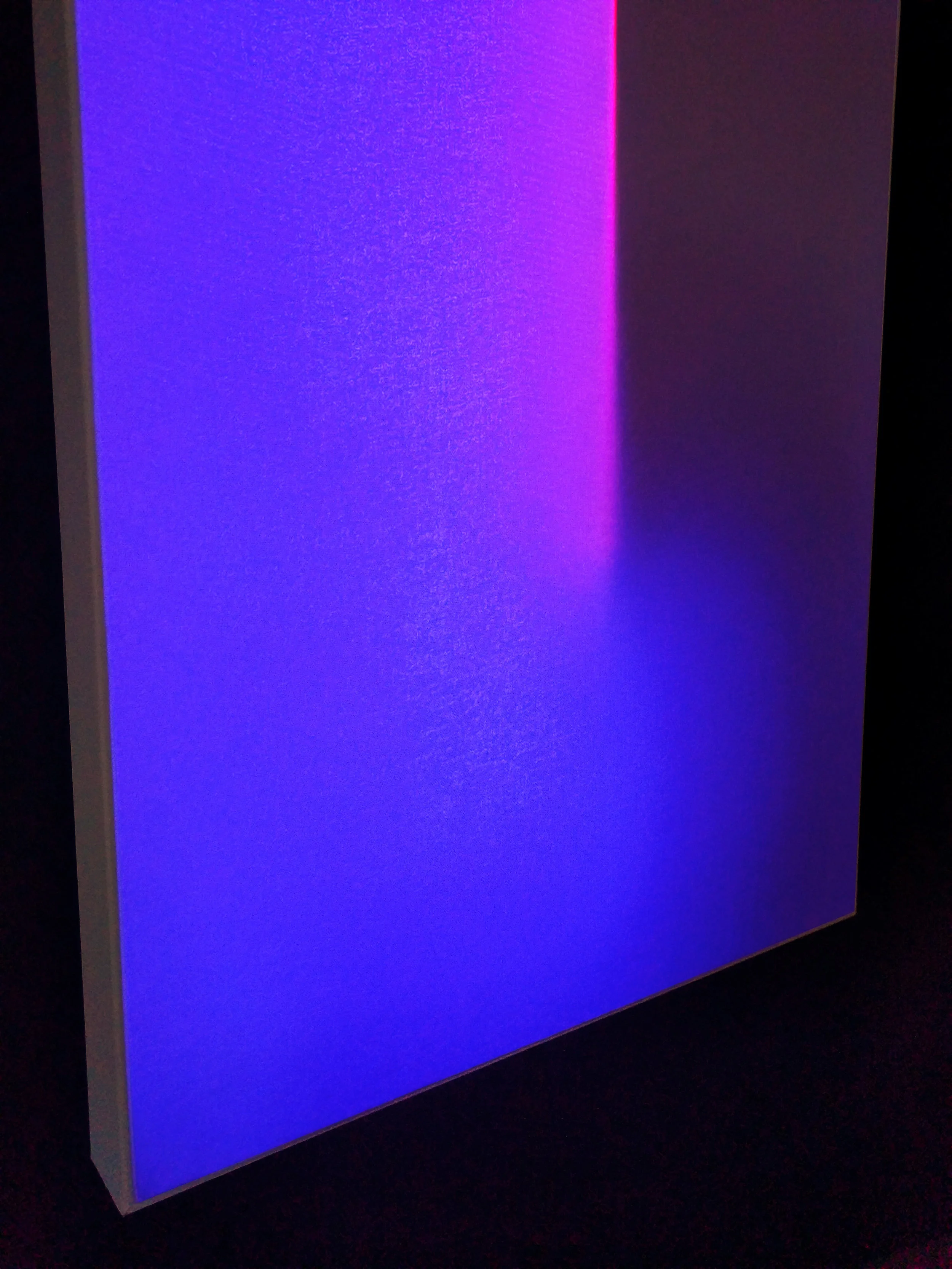
What if light was tangible? With Presence, I wanted to imagine the physicality of light and how it could act as an unexpected sculptural form. My original design inspiration was Japanese design studio, Nendo, which creates and highlights magical moments in our daily lives. Nendo does this with a variety of designed objects, and I wanted to do the same with light. Controllable LEDs enable the piece to multitask as artwork on a wall as well as functional ambient lighting. The most exciting result that came out of this project was creating a new platform for creative expression. By combining existing materials in a new way, a "light painting" technique was developed. I'm now continuing to use this technique to create a series of sculptural light paintings.
Accomplishments
One of two pieces in the 12-year history of the design challenge to be awarded full score
SUMMARY
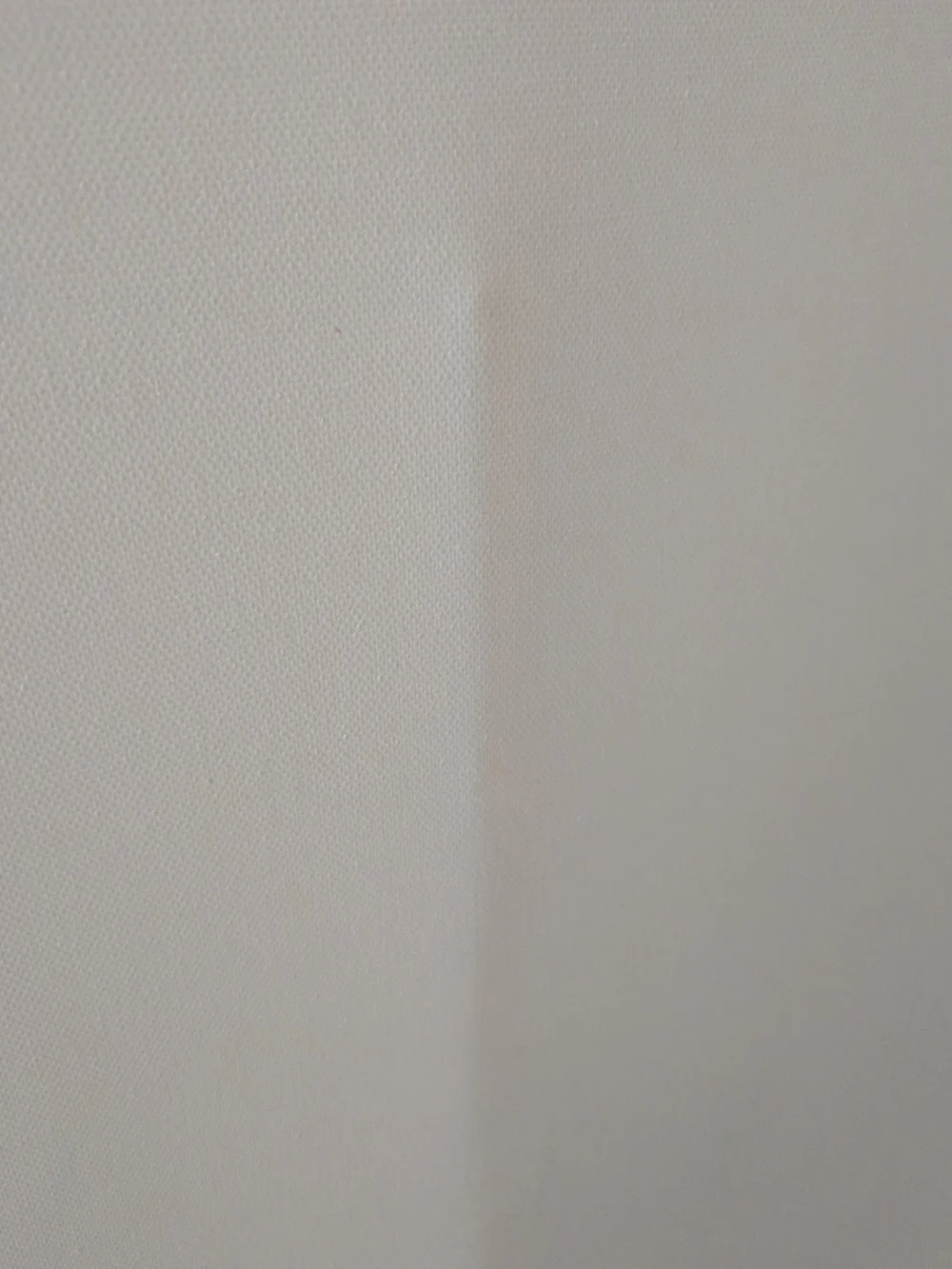
CONCEPT DEVELOPMENT
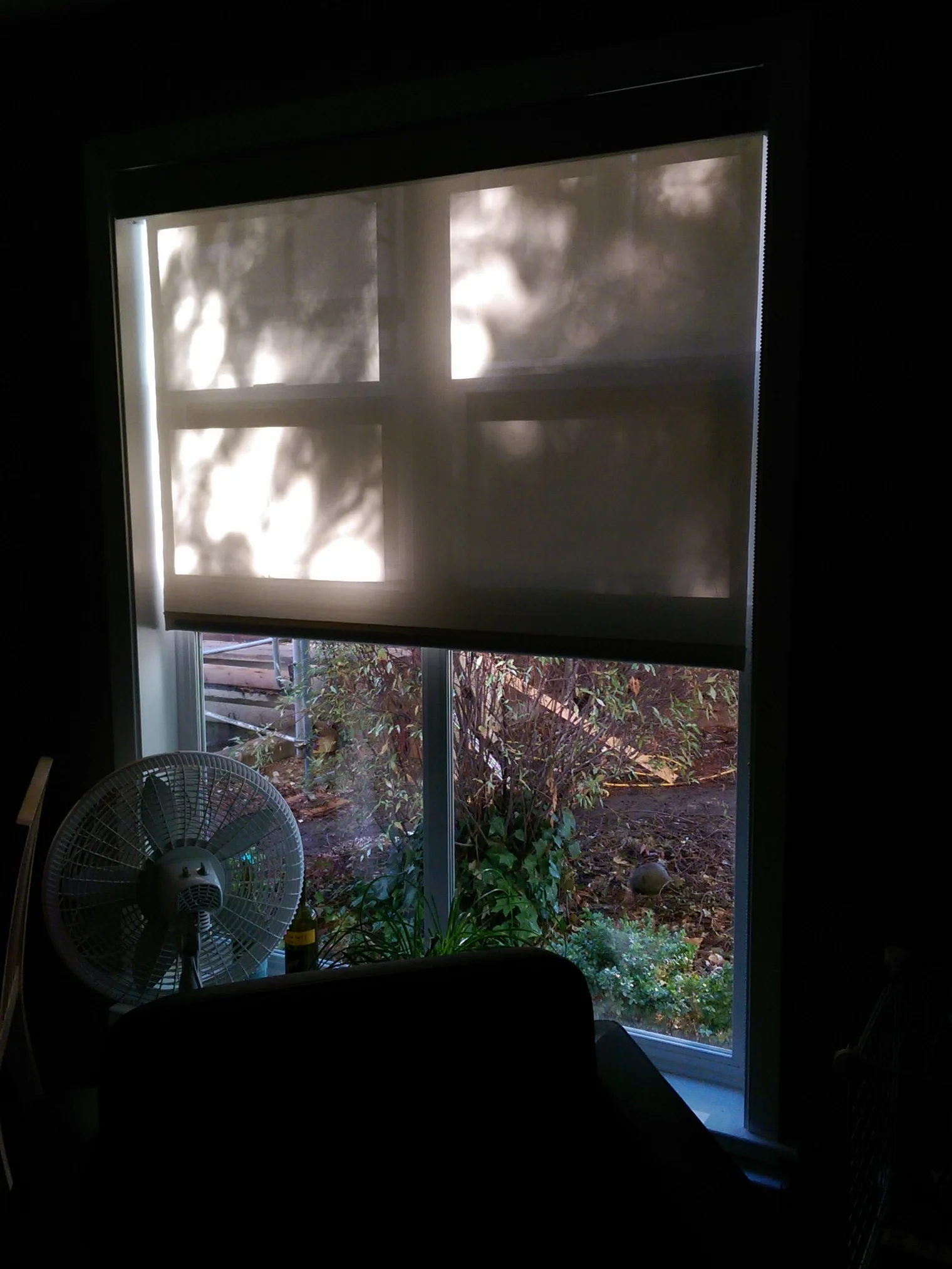
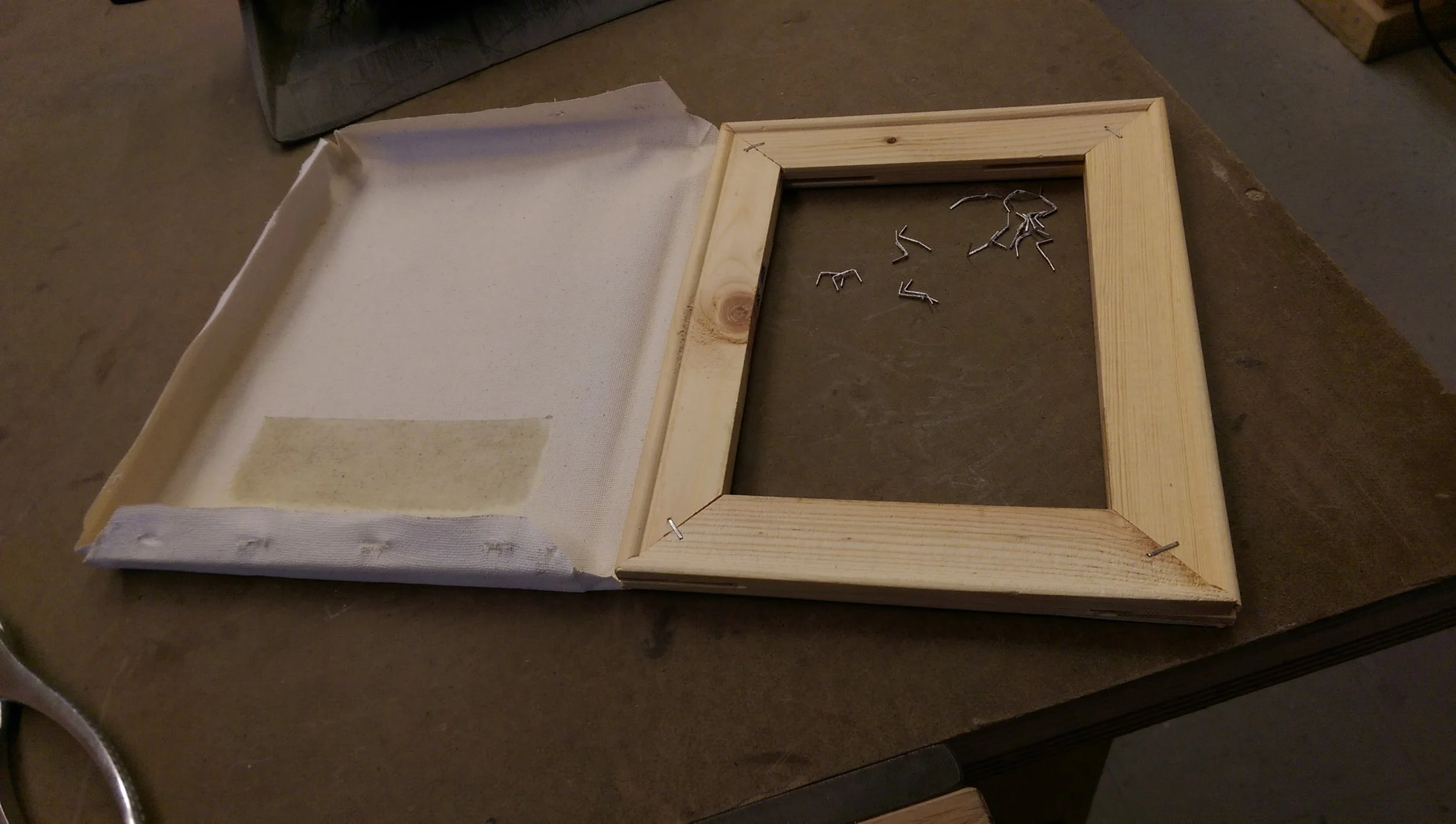
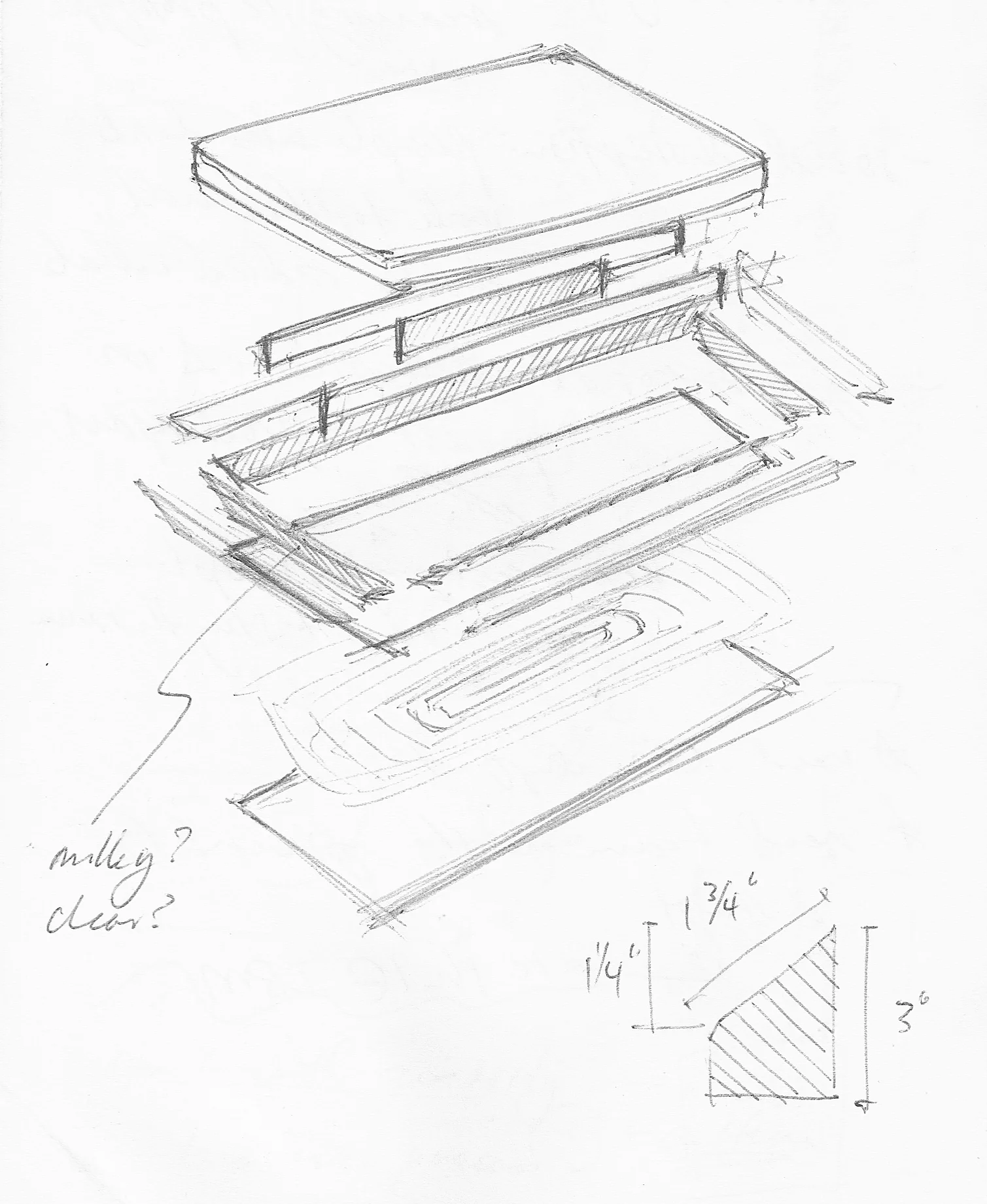
My original motivation was to bring the sense of openness and outdoor space into closed, interior spaces. The form and function of a window seemed especially interesting for this purpose. After a variety of mockup iterations exploring ideas of recreating daylight, dappled sunlight patterns, and subtle fluorescent glows, I had no idea what direction I wanted to take. I finally got the inspiration I needed from a large stretched canvas at an art supply store. The frame's proportions were unique - 4 feet tall, 2.5 feet wide, and 2 inches thick. Instead of a window, It reminded me of a full-sized mirror, and I ran with that idea.
edge lighting exploration
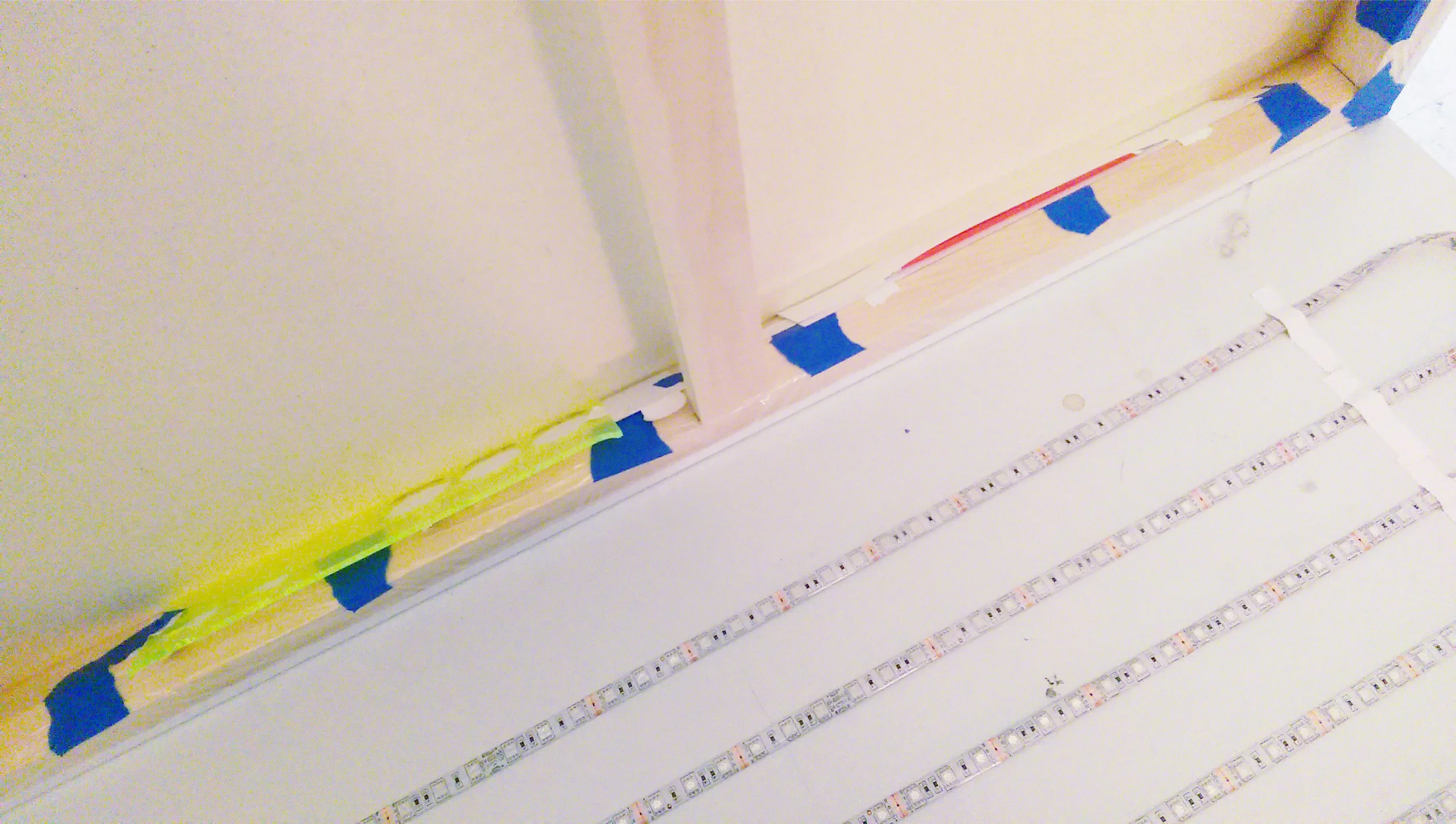
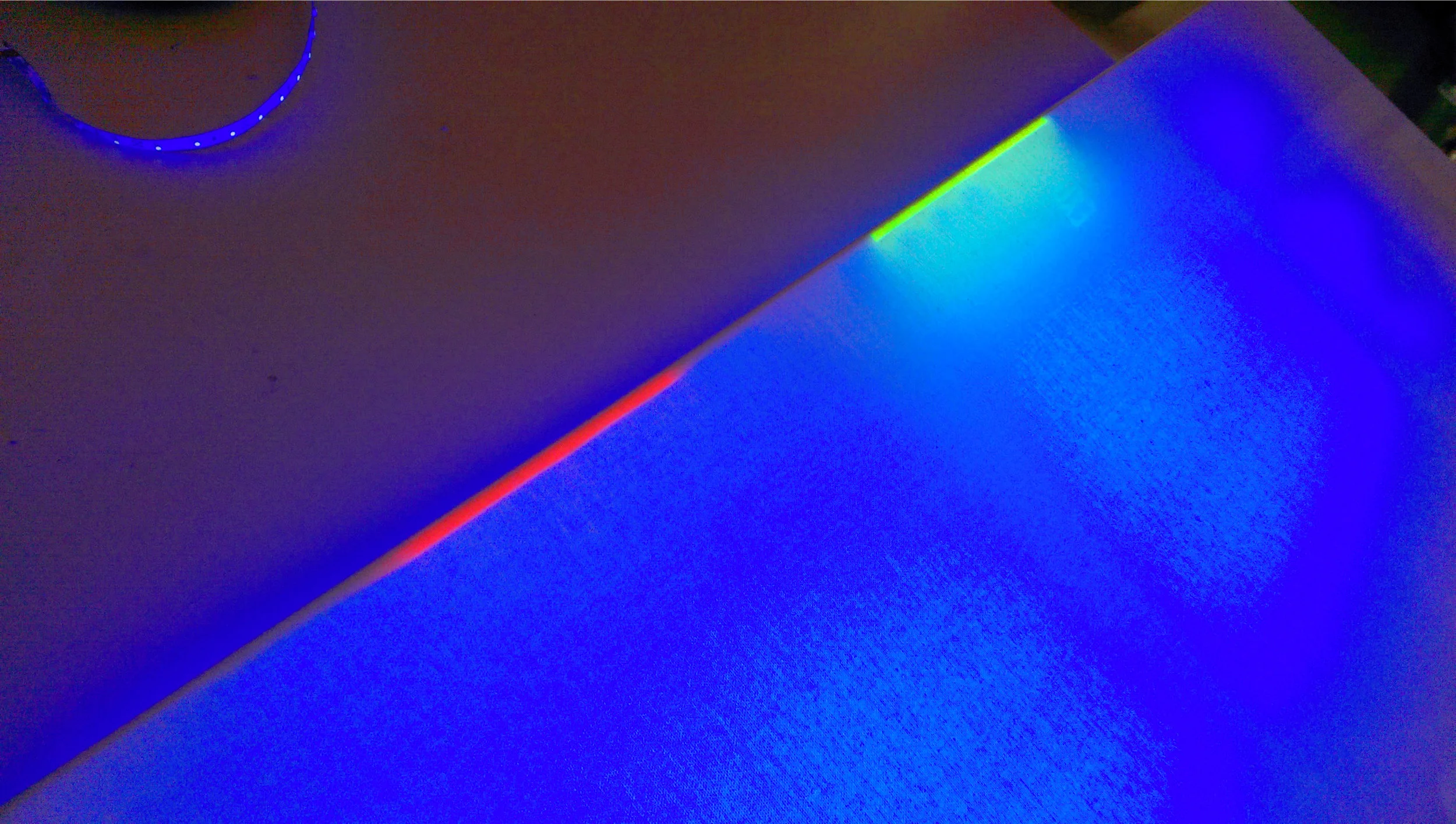
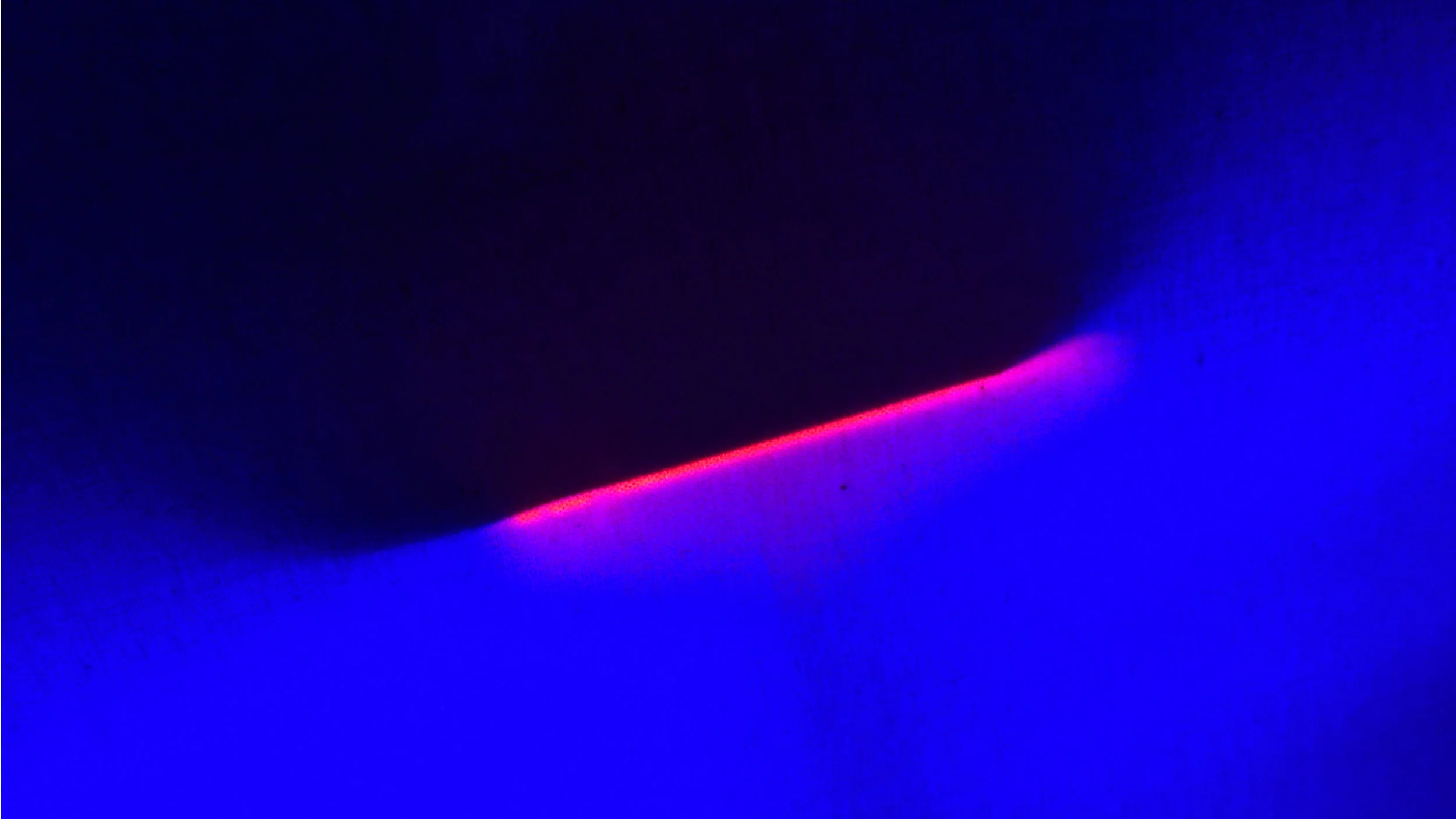
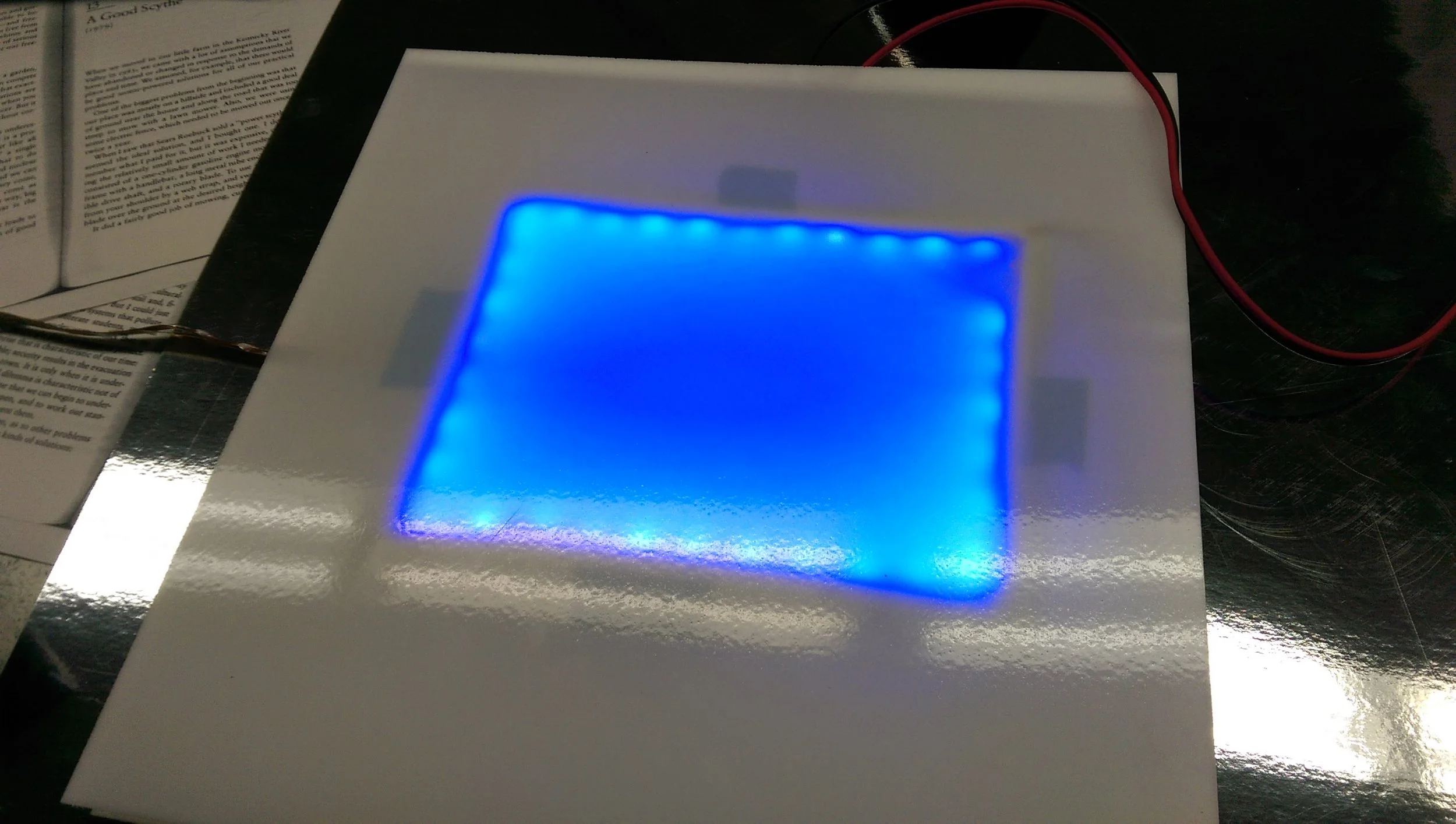
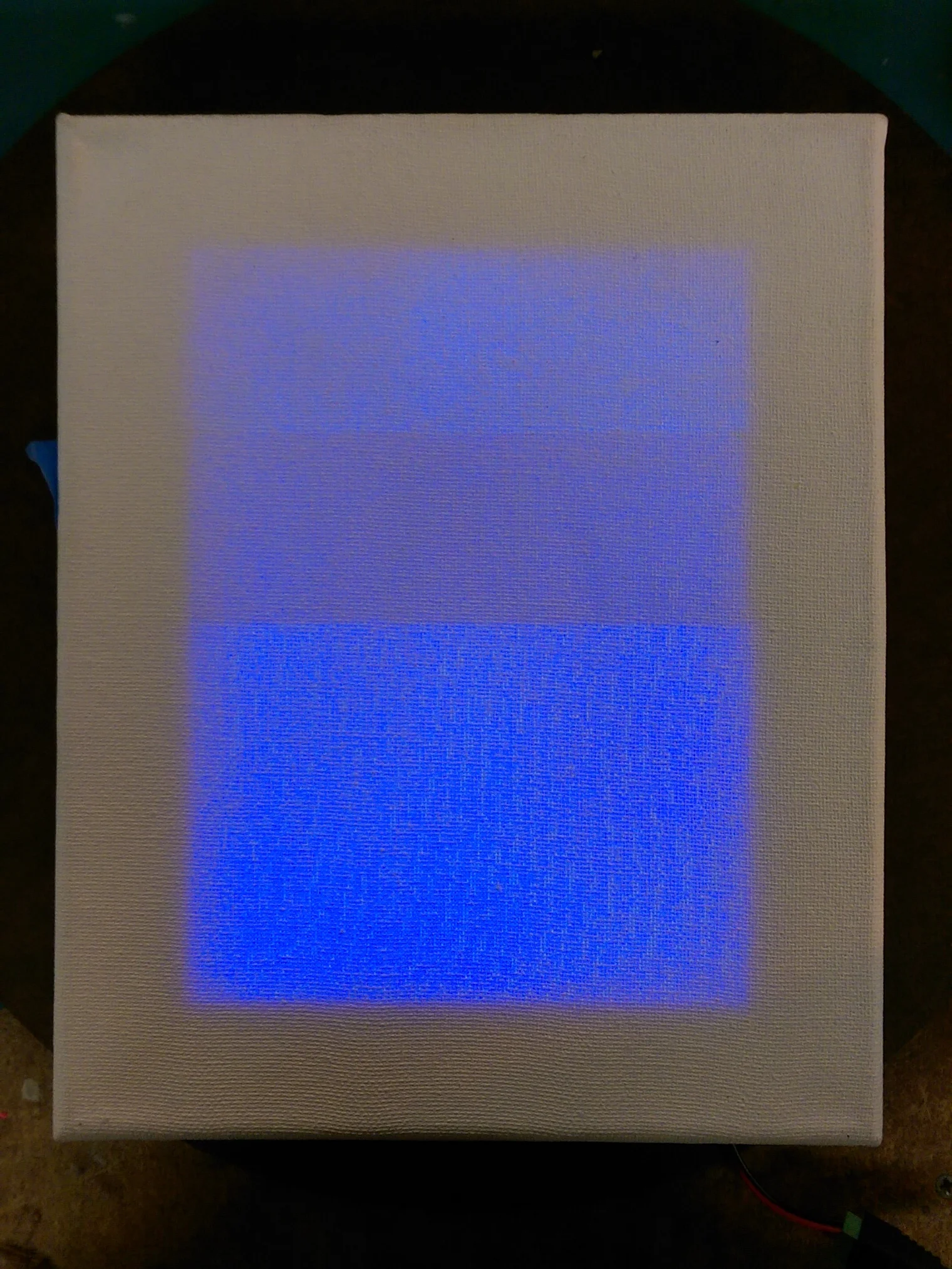
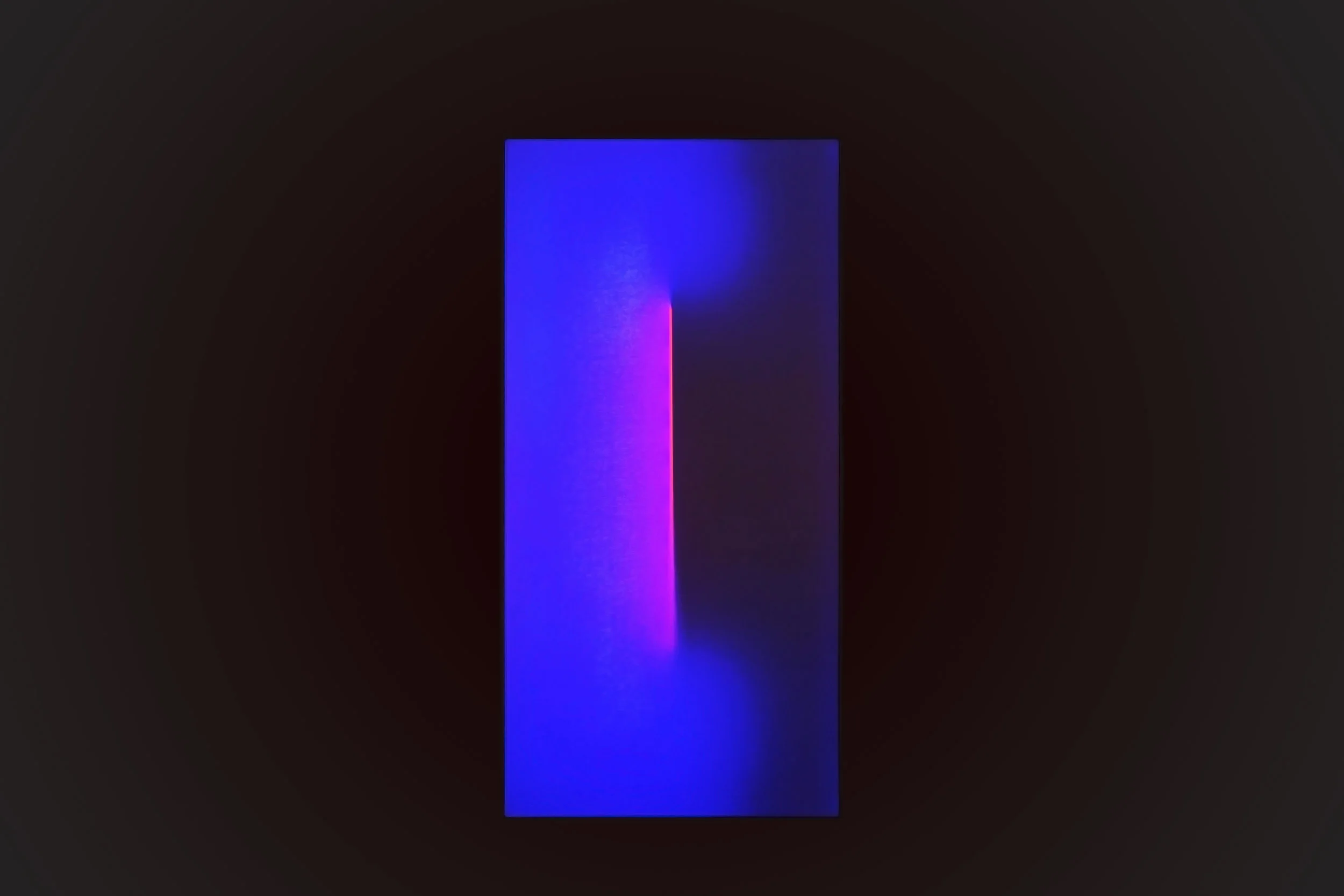
I initially thought of creating a thin, glowing border around the frame to create an unexpected focus on the object itself rather than any content on its surface. My exploration of creating an edgelit border included experiments with covered and uncovered fluorescent panels. These gave effects of either sharp lines and washes of color. While testing, however, I discovered that I could create much more visual dimension by manipulating areas of light and dark and incorporating physical variation in light transmitters, reflectors, and masks below the surface. This discovery combined with the desire to represent an individual's spirit in the form of tangible light led to the final form - a single line of light pushing through the canvas surface.
assembly mockup
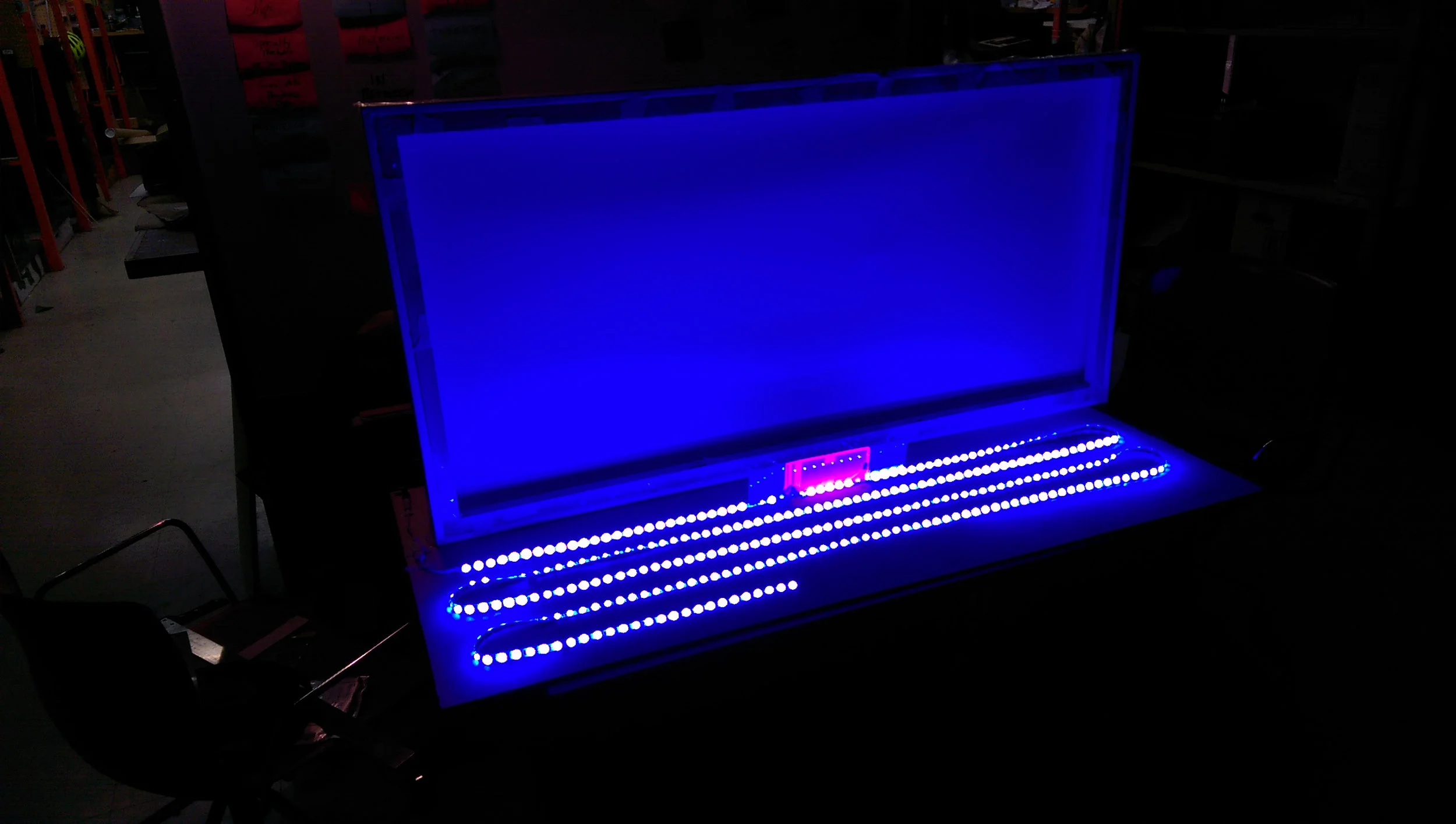
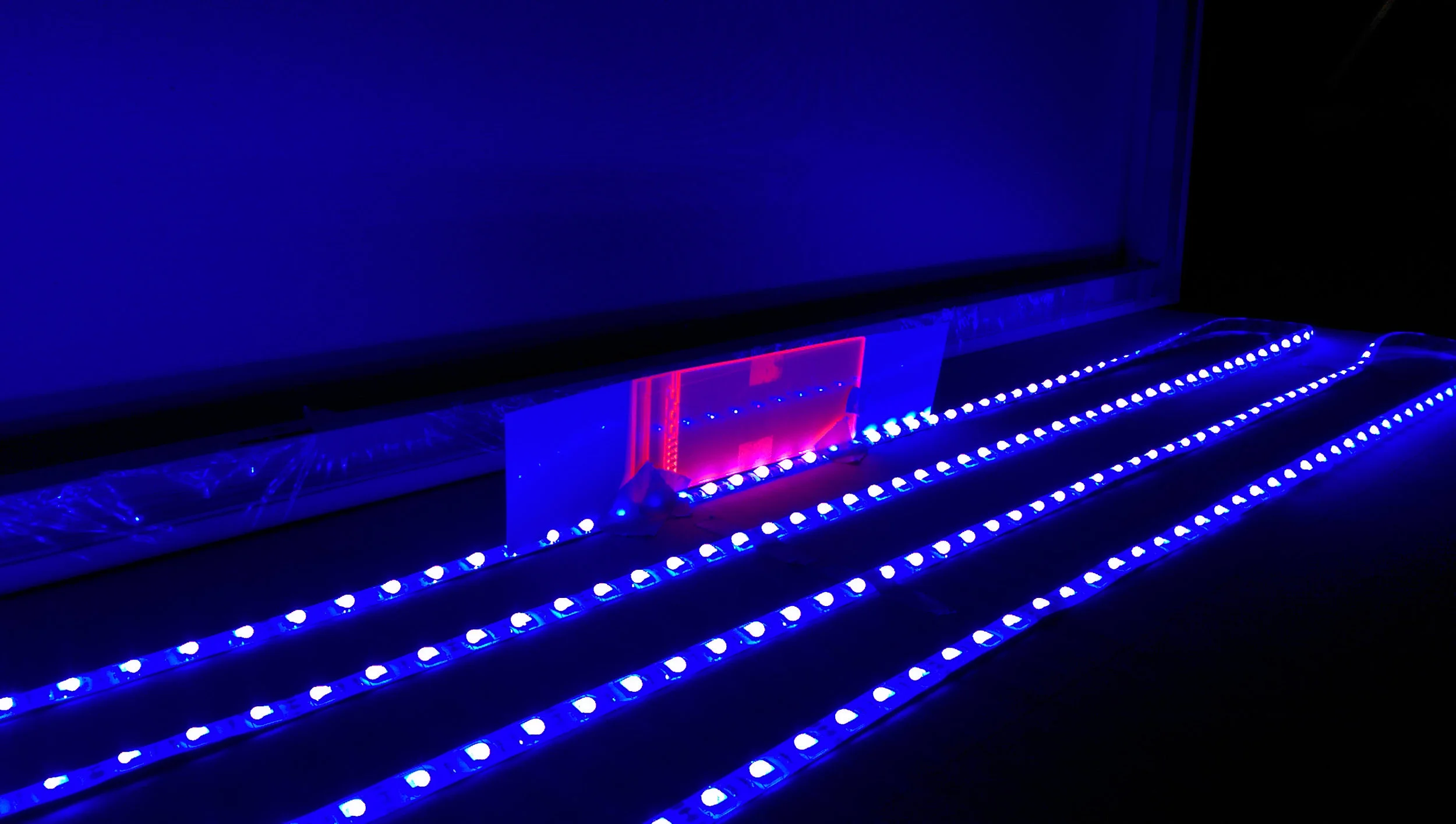
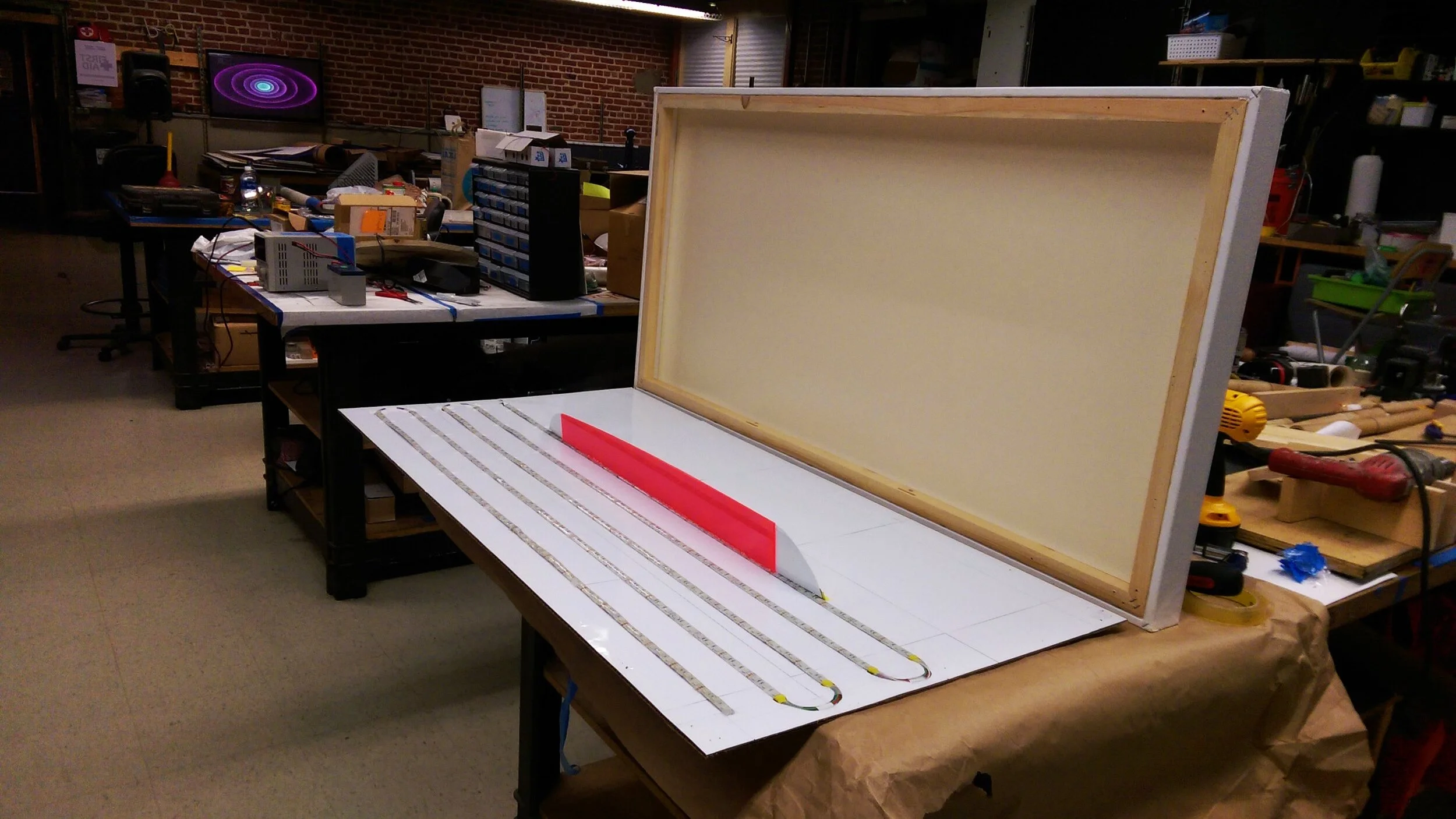
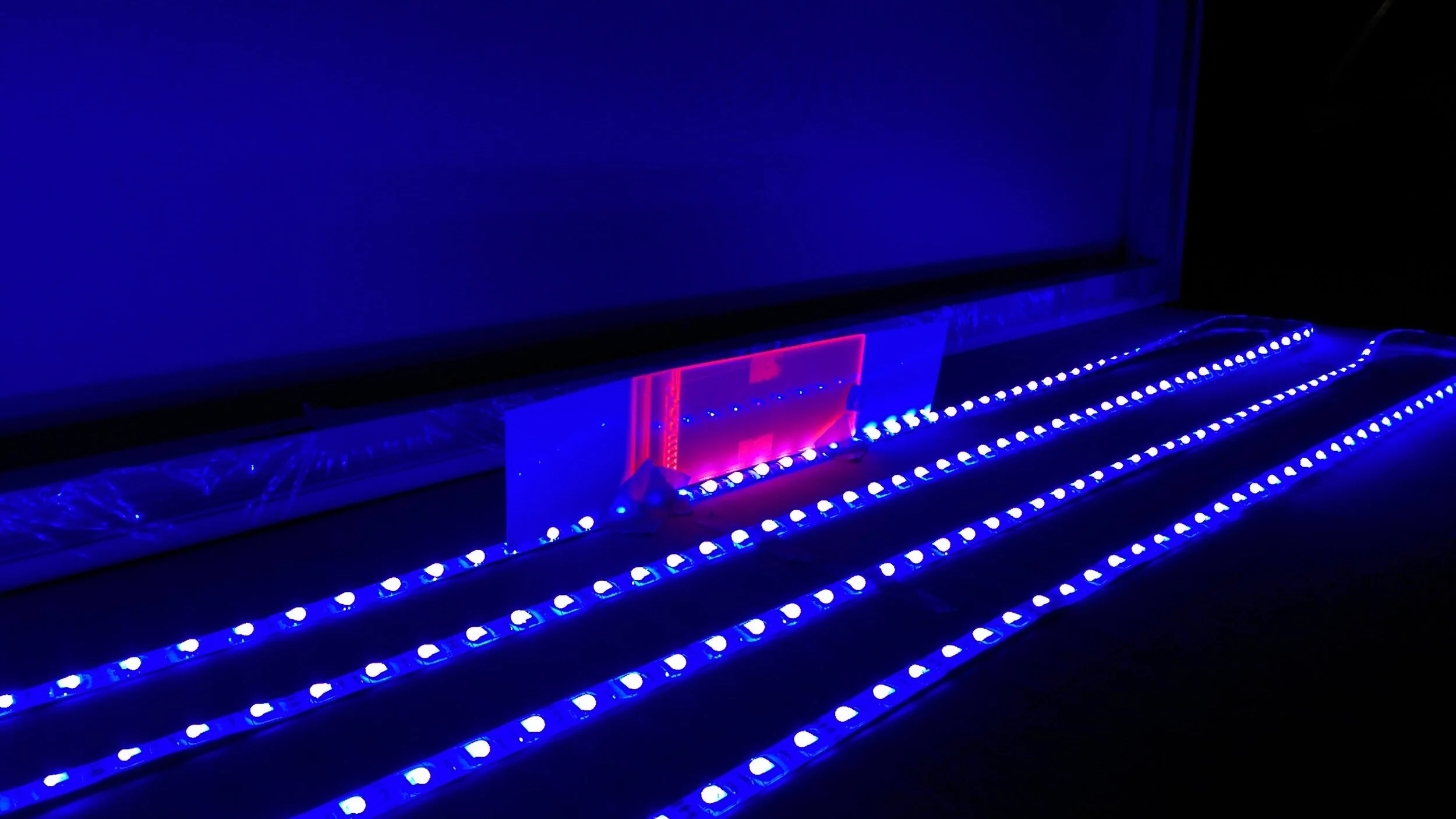
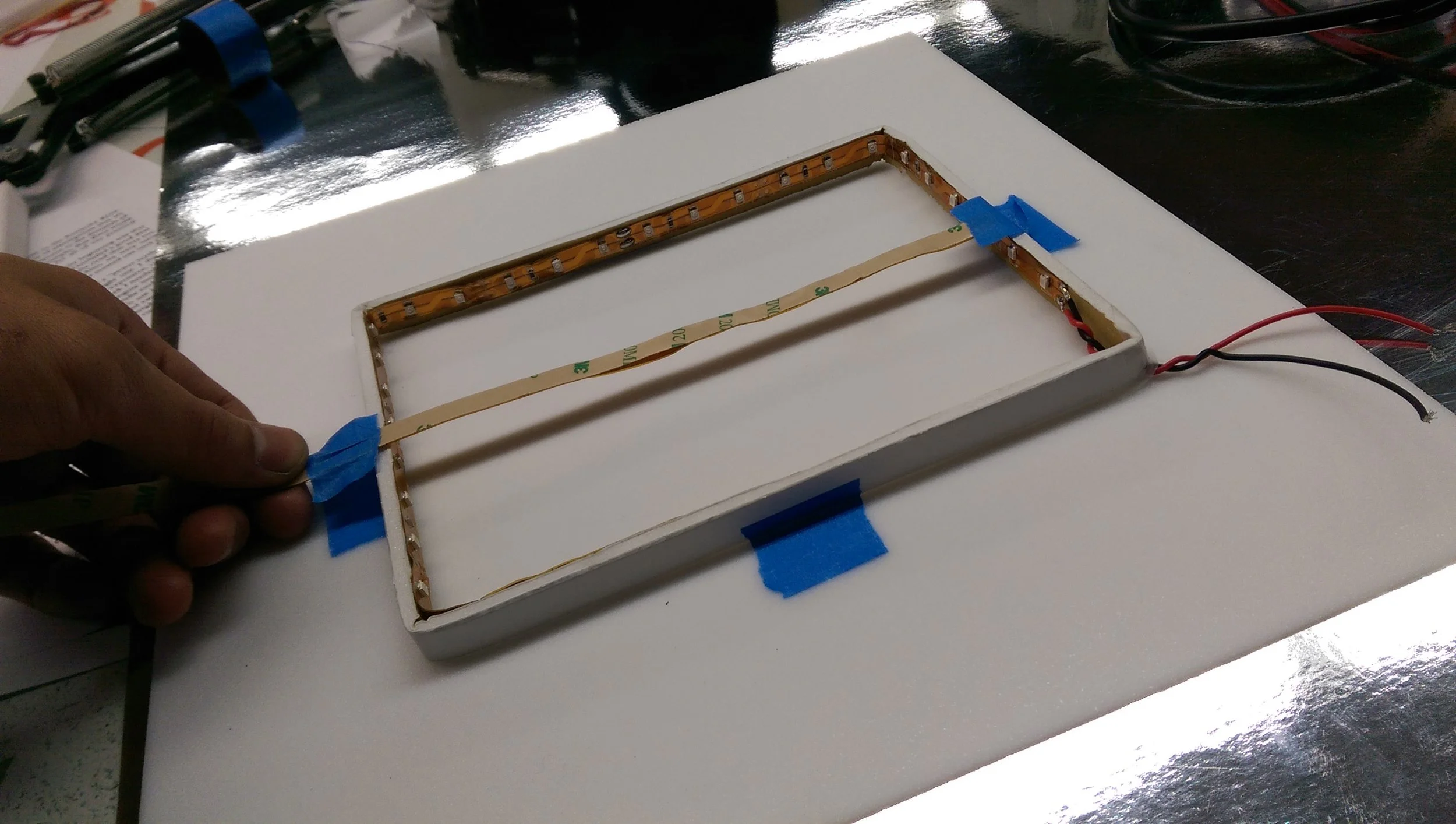
I decided to take advantage of the dimensionality achieved through high contrast by only lighting half of the canvas with a 16-foot RGB LED strip. Mocking this up revealed hot spots of light concentrated at each turn of the strip, so I decided to split the length into separate line segments and solder all of them together.
assembly process
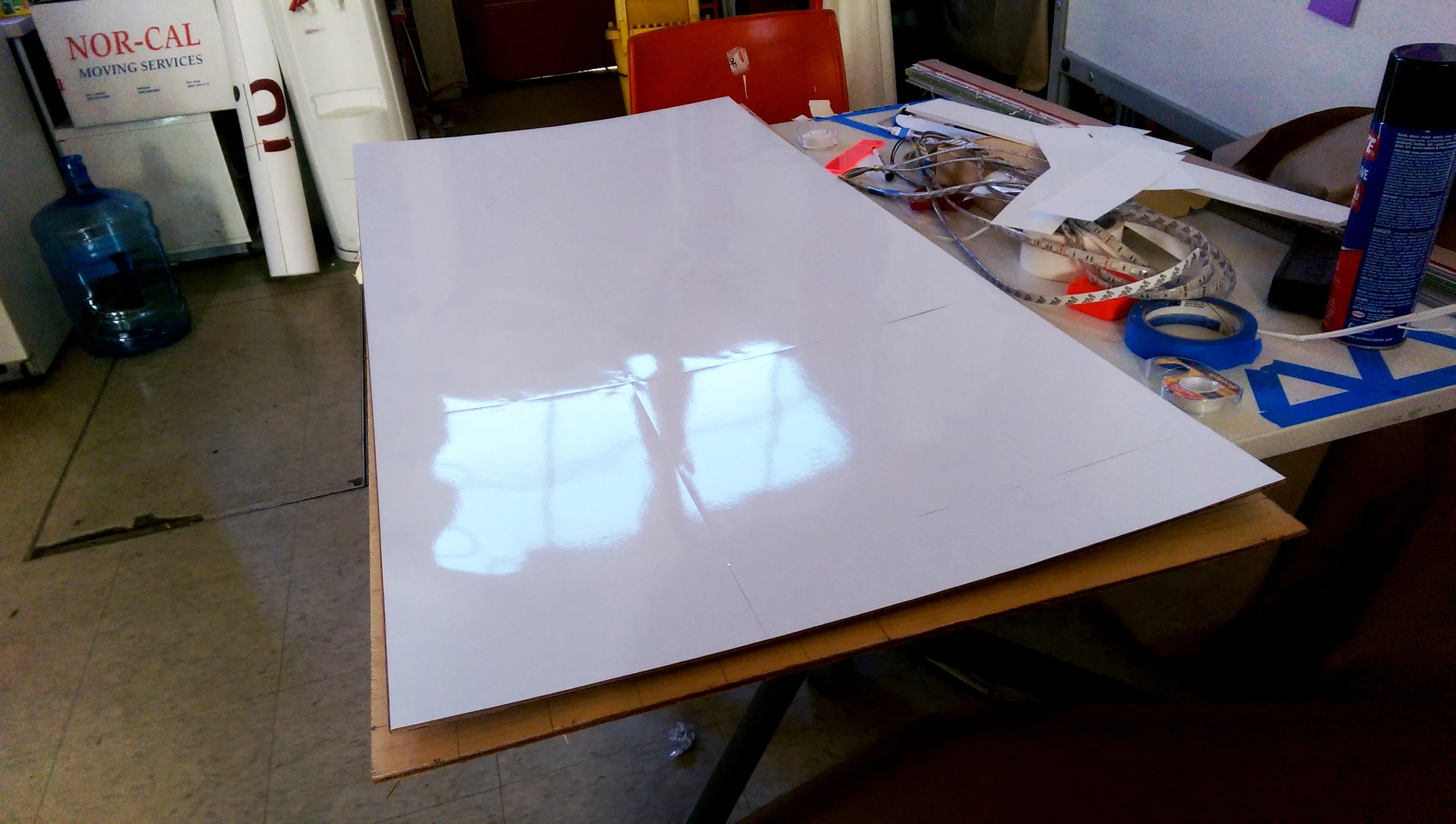
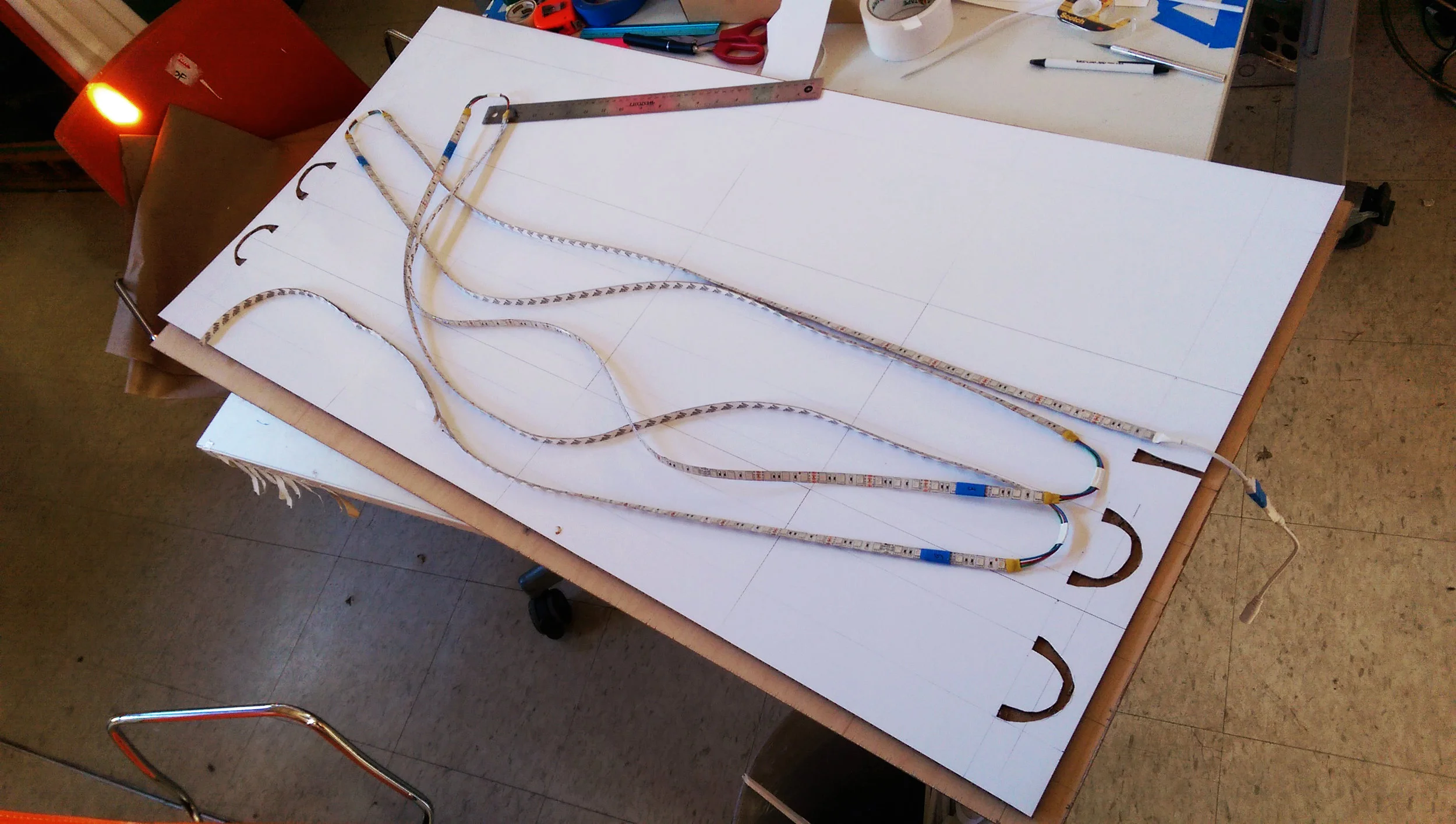
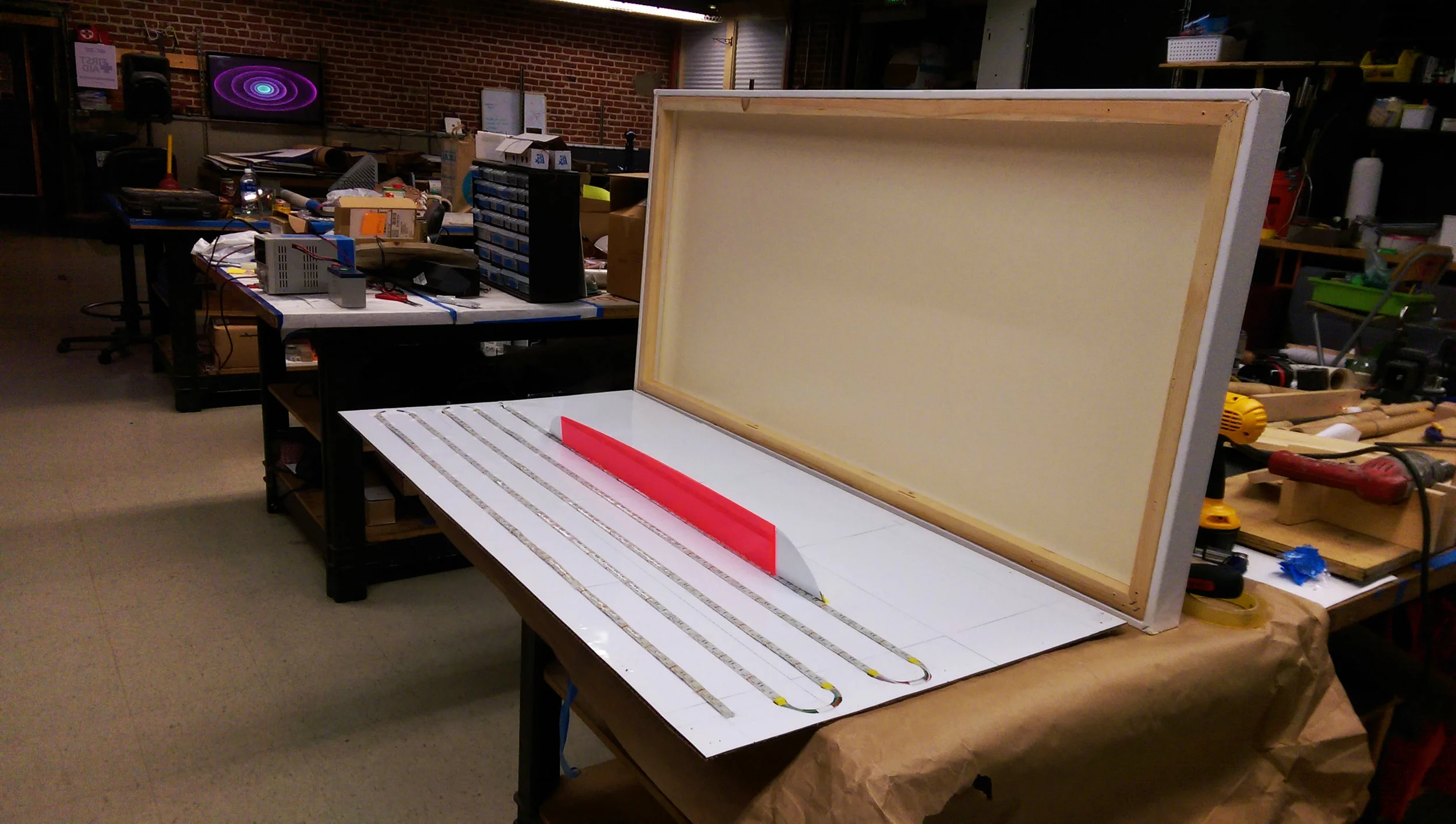
After multiple rounds of mockups and testing, I landed on several useful techniques for final execution. First, my previous experience with light effects projects led me to use the most bright and shiny reflector possible. I chose glossy white photo paper. It successfully created a uniform backlit effect, even more so than mirrored surfaces.
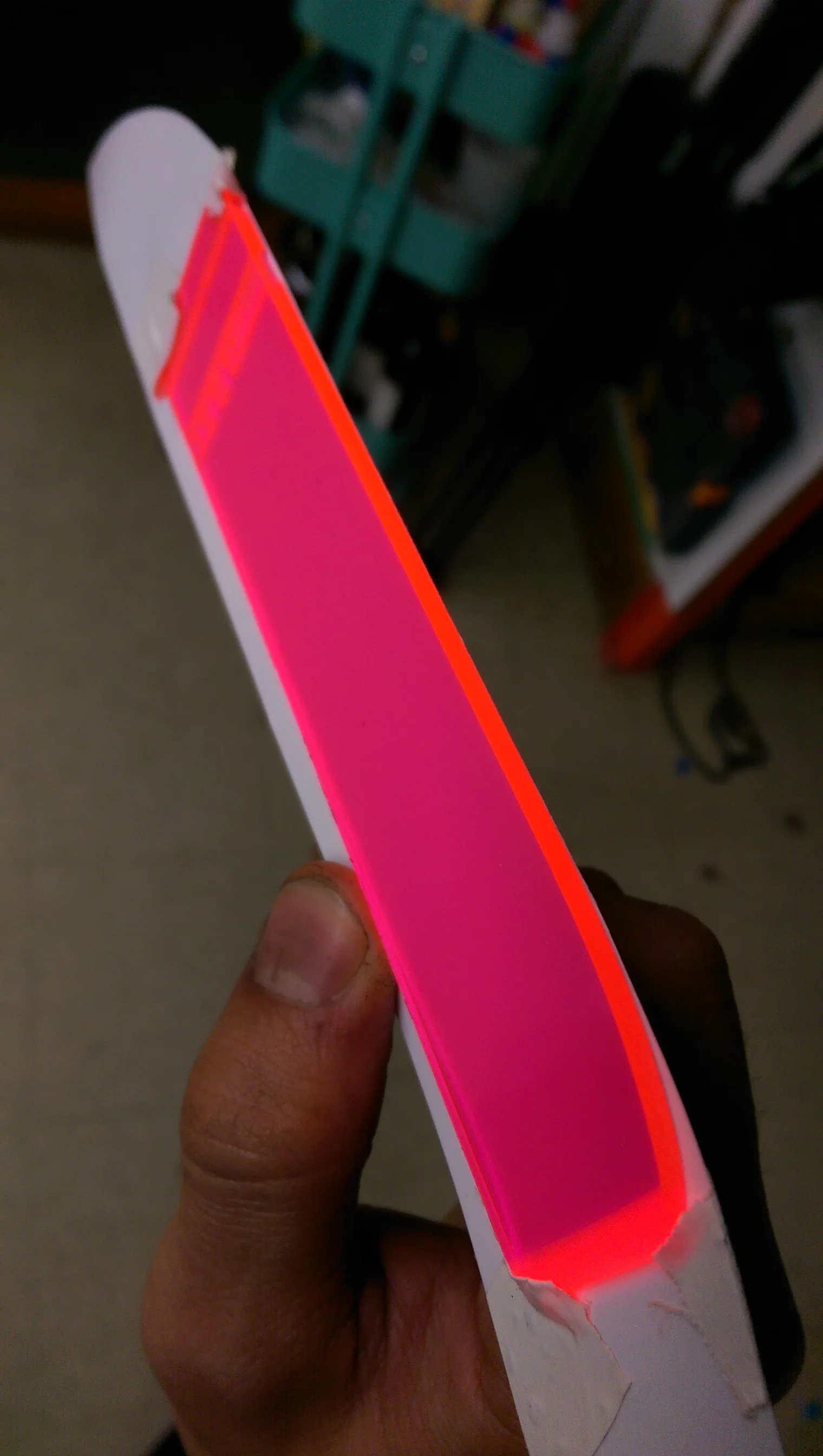
I also worked hard to create interesting sculptural and edgelit effects using a fluorescent acrylic panel. The surfaces of this panel were kept as pristine as possible to maximize the amount of total internal reflection and minimize any light leakage aside from the final diffusing surface. It was sized just barely taller than the canvas thickness to create the slightest hint of a contour along the centerline of the piece.
The diffusing edge was roughened with medium grit sandpaper to create as many microscopic imperfections as possible, allowing light to escape. This edge was ground away in a curve at its bottom end in order to create a smooth fading transition of light, as if spilling down.
Finally, the ends of the fluorescent panel were bordered by two curved pieces of photo paper, which accentuated the smooth three-dimensional quality of light fading from bright to dark.
construction details
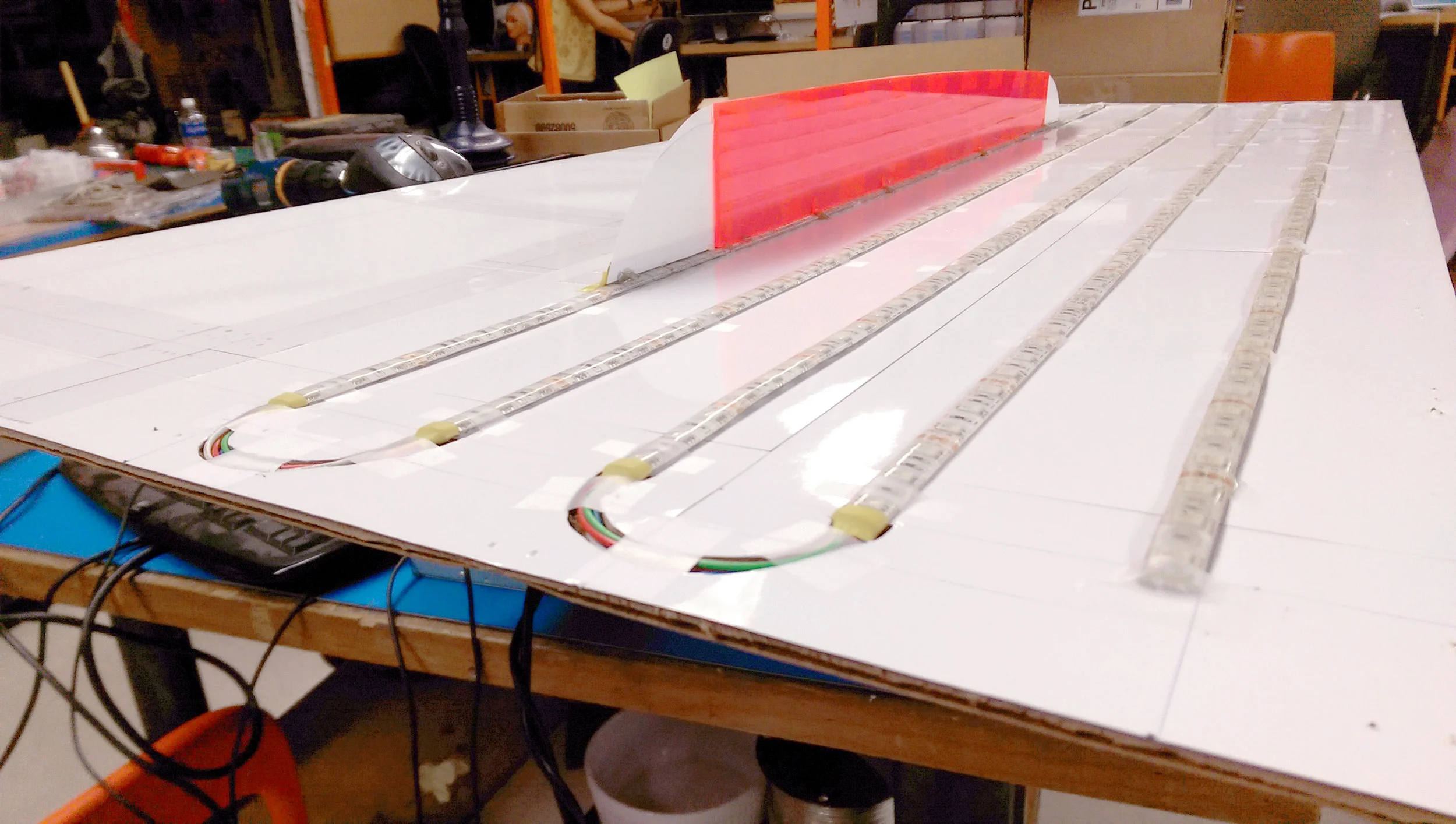
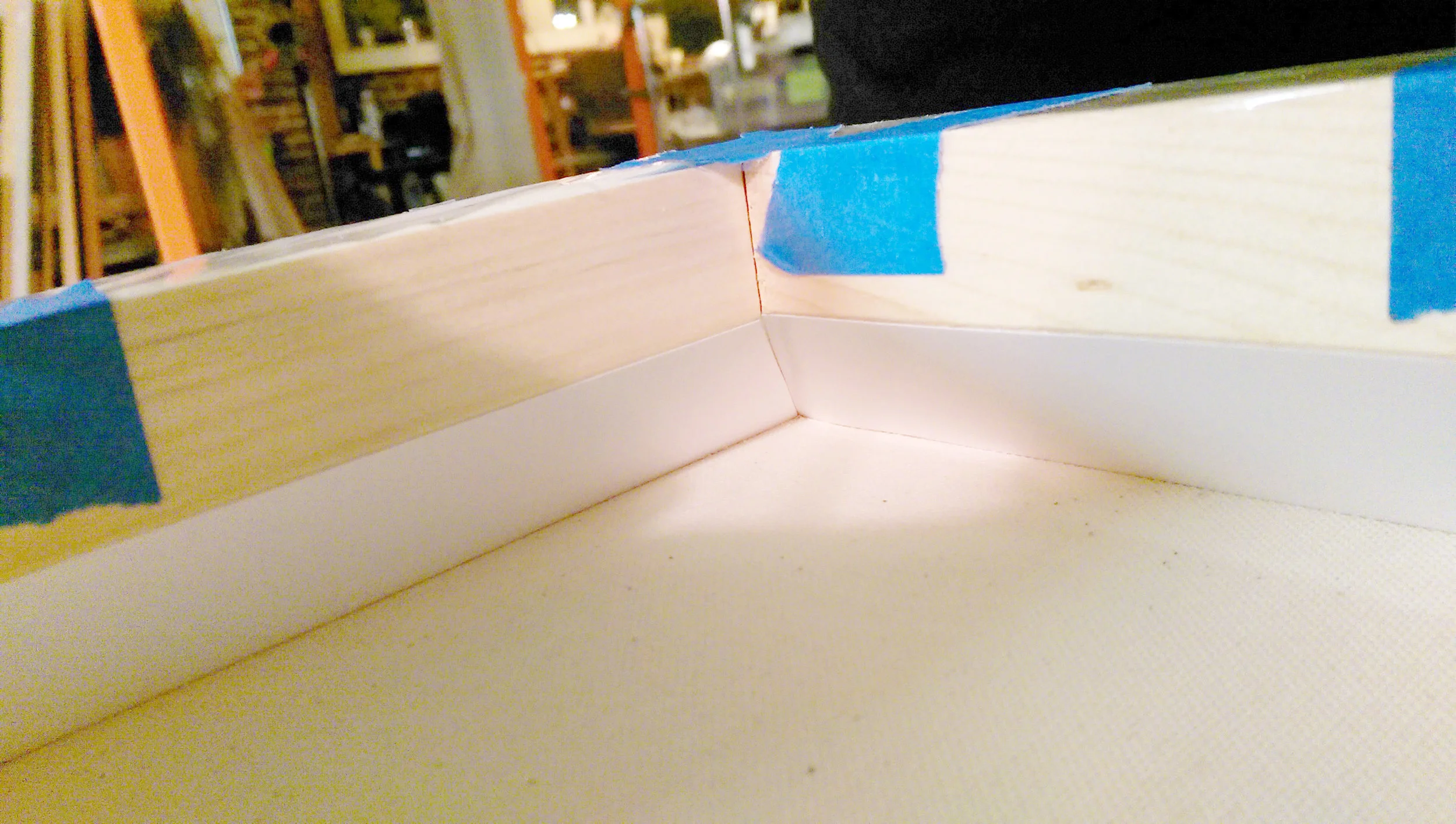
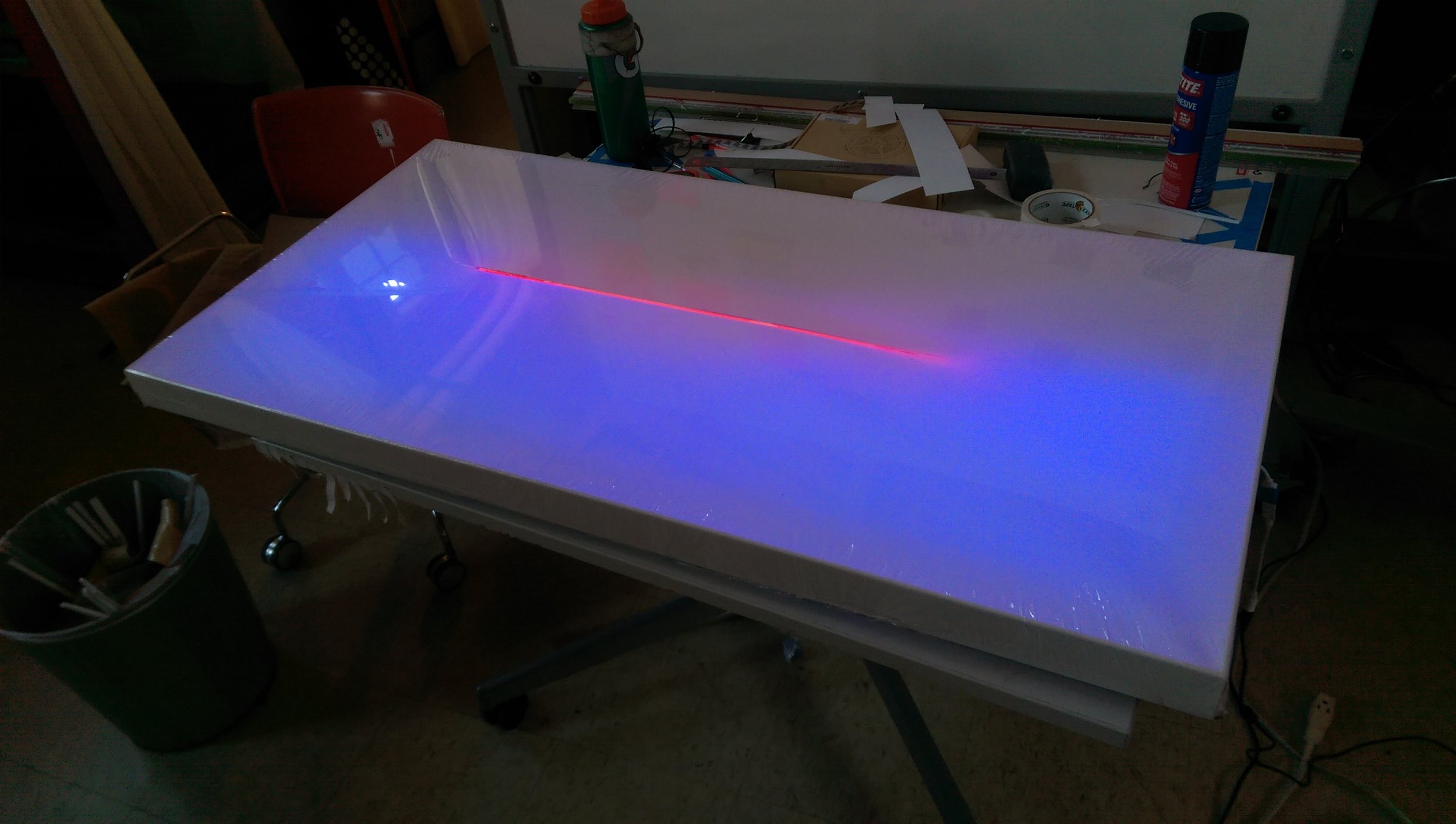
Ensuring that the interior construction didn't produce any unwanted shadows wasn't trivial. Everything inside the canvas frame had to be below the plane of LEDs or it would cast a shadow, so wires were pushed into their own slots. Photo paper also had to be attached to the beveled underside of the frame. This acted as additional reflection around the border, making it possible to achieve completely uniform edge-to-edge lighting on the exterior canvas surface. To ensure that the canvas was pristine when hung for the first time, I kept the original shrink wrap packaging intact while constructing and assembling everything inside.
EXHIBITION RECEPTION

key learnings
Physical inspiration can help focus design ambiguity—my ideation process was going in circles until I physically visited an art supply store and interacted with different objects and tools, eventually finding a canvas with a specific size and shape that resonated with my explorations up to that point.
Material color and finish affects reflectivity—through my effort to create the most uniform and bright wash of light possible, I learned that high gloss white surfaces are the most reflective finish for visible light, not a mirrored silver finish like I expected.